12 Best Foam Roller of 2026: Match Firmness to Your Body

Find the foam roller whose firmness, length, and texture match your body — whether you need gentle back support or deep-tissue pressure.

Foam rolling comes with a hidden mismatch: listings treat firmness and texture as upgrades, but those same features are the top reason rollers get set aside. A high-density cylinder can feel fine on the thighs and too intense on the spine. The goal is matching the roller to your body and routine, not chasing the firmest option.

The other trade-off is length and surface. Short textured rollers dig into knots and fit in a gym bag, but full-back work demands repositioning. Long smooth cylinders cover the entire spine in one pass but give up the ability to isolate a knot. This guide sorts those trade-offs so you know which format fits your routine.

The right choice depends on whether your priority is traveling light, releasing a specific muscle, or protecting a sensitive back.

1

Best Overall

TriggerPoint Grid 1.0 13-inch

95 /100
Peggy's Score Outstanding

Key details

Length
13 in
Density
Multi-density grid
Surface
GRID texture
Material
EVA over hollow core
Check Details on Amazon

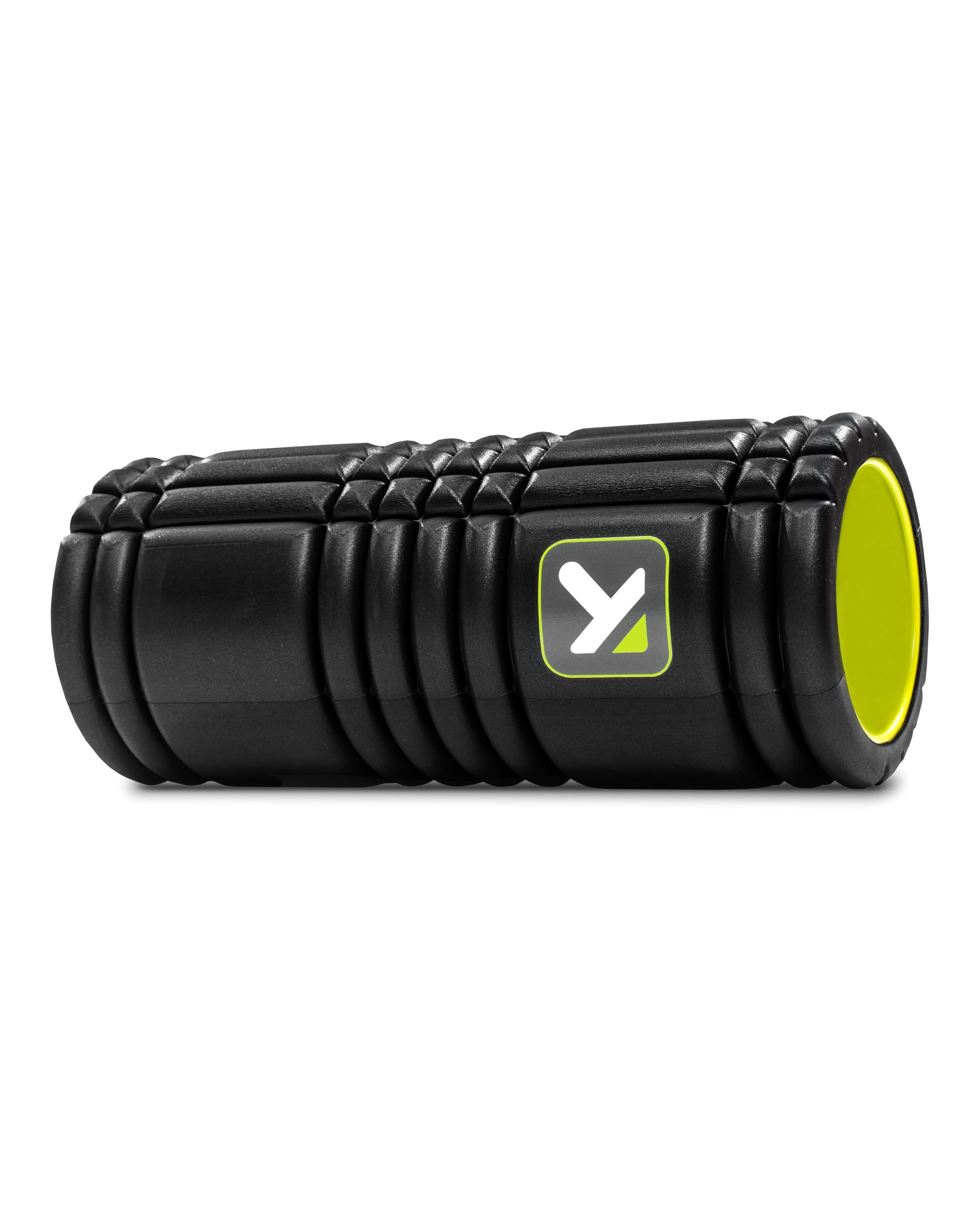
The TriggerPoint Grid 1.0 pairs a multi-density GRID surface with a firm-but-not-brittle feel, so it presses into muscle tissue without the harsh response of some high-density cylinders. The hollow core keeps the roller at 1.1 lb, and the 5.12-inch diameter gives enough height to work quads, hamstrings, calves, and back sections from a stable floor position. The multi-density pattern uses firmer ridges plus softer divots, which lets one roller deliver both broad compression and localized pressure on a knot. The EVA foam outer layer over the rigid core keeps that pattern responsive under repeated use, and the roller stays stable on hard floors instead of rocking or sinking.

The GRID texture works best in deliberate sections: sink into a tight quad, hold for a few breaths, then move to the next strip of tissue. The surface grips the body better than a smooth cylinder, so you can ease off by lifting some weight instead of chasing a rolling tube. The 5.12-inch diameter gives enough leverage to keep your weight over the target area; for quads and hamstrings, that means you can shift pressure side to side without the roller wobbling.

This is for travelers, gym-goers, and athletes who want one compact roller that handles legs, glutes, and targeted back work without filling a bag. It is not a one-pass spine roller, and the textured surface is firmer than a smooth foam cylinder, so back-sensitive users should be ready for that. The tradeoff is a roller that disappears into a carry-on after sessions.

Pros

  • Firm-but-not-brittle multi-density GRID surface balances pressure and comfort.
  • Provides effective relief for tight quads, hamstrings, and back muscles.
  • Hollow-core construction holds up to body-weight pressure without losing shape.
  • Compact 13-inch, 1.1-lb size slips into a gym bag or carry-on.

Cons

  • Full-spine rolling requires repositioning at the mid-back.
  • GRID texture can feel intense on sensitive backs.
Our verdict

A compact, mid-priced GRID roller that fits a travel bag and suits focused leg and back recovery.

Check Latest Price
2

Best Budget Full-Length

Amazon Basics 36-inch Roller

93 /100
Peggy's Score Outstanding

Key details

Length
36 in
Density
High-density
Surface
Smooth
Material
Polypropylene/EPP
Check Details on Amazon

The 36-inch smooth high-density cylinder covers the back and legs in one pass, making it a low-cost way to get full-length rolling. The 6-inch diameter offers stable contact for large muscle groups, and the smooth exterior is easy to wipe down. The high-density build holds up under regular use, so the length remains useful over time. Compared with the compact multi-density roller that takes the top spot, this one trades travel convenience for length and a lower price.

It suits budget home gyms and anyone who wants a firm, simple cylinder for full-body stretching and recovery. Hard high-density foam can be uncomfortable for beginners and back-sensitive users, so those shoppers should choose a softer-density roller instead. It is a full-body tool rather than a travel accessory, which is why it fits a gym corner more naturally than a gym bag.

💡 Ease into the firm surface with leg and glute work before trying the spine.

Pros

  • Full 36-inch length provides continuous coverage for the back and legs without repositioning.
  • High-density foam supports firm pressure and holds its shape through regular workouts.
  • Budget-friendly price delivers a long roller without paying extra for surface texture.

Cons

  • Smooth surface has no textured zones, so pinpoint trigger-point work is limited.
  • Firm high-density foam can feel too hard on a sensitive lower back.
Our verdict

For simple full-body rolling on a budget, this long cylinder covers the essentials without extra cost. It works best for users who want a firm, smooth roller and don't need surface texture.

Check Latest Price
3

Best for Beginners & Sensitive Bodies

OPTP PRO-Roller Soft 36-inch

95 /100
Peggy's Score Outstanding

Key details

Length
36 in
Density
Soft
Surface
Smooth
Material
Closed-cell EVA
Check Details on Amazon

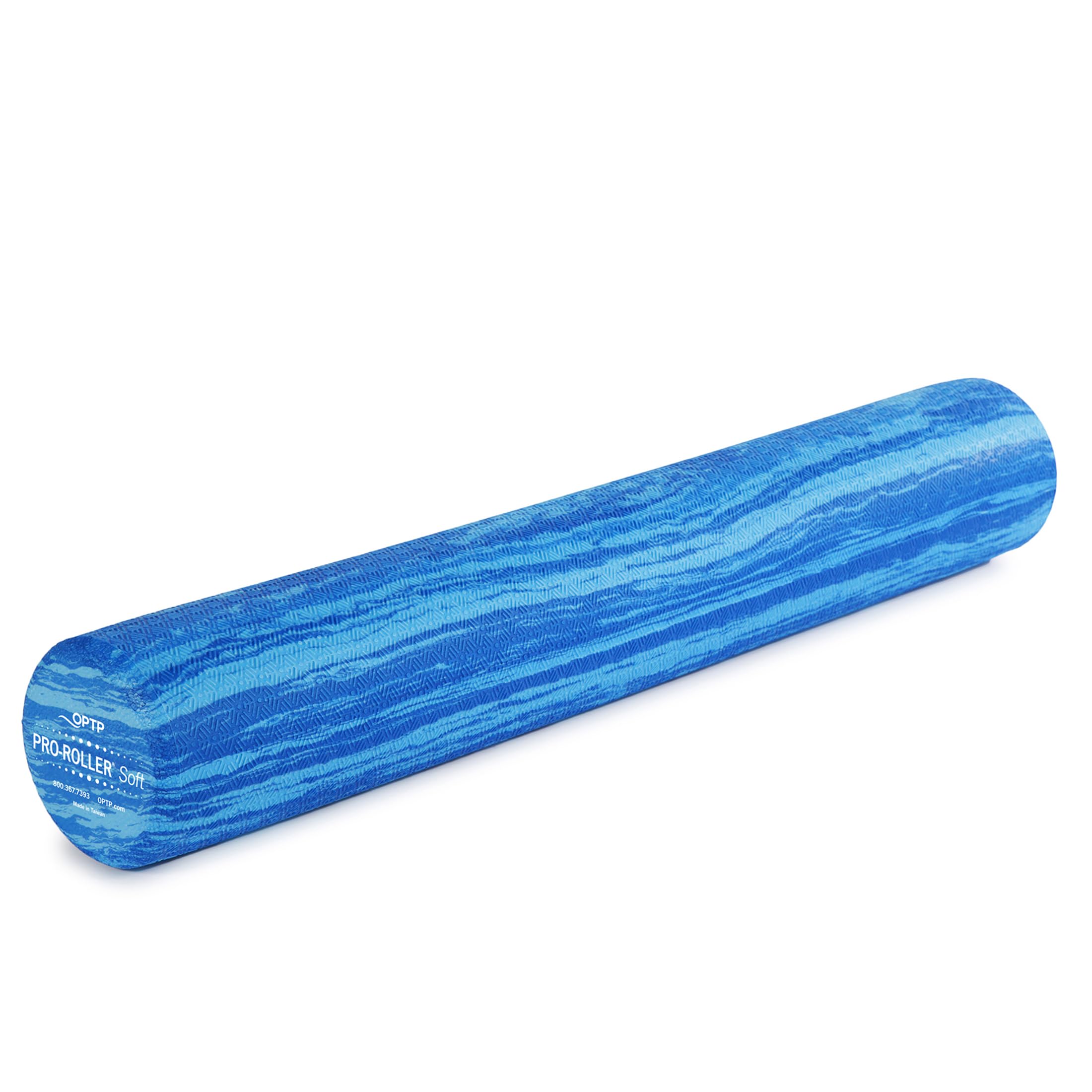
Closed-cell EVA soft foam spreads pressure across a wide surface, so the 36-inch PRO-Roller Soft feels cushioned rather than punishing on the spine. The smooth cylinder supports full-length rolling from the back to calves without the intimidation factor of high-density or bumpy rollers. This is the comfort-first alternative to the firmer standard-density roller in the same lineup.

Beginners, back-sensitive users, and anyone who finds hard foam uncomfortable are the right audience. The soft EVA lets the back and hips ease into rolling, and the full length keeps the spine supported during Yoga and Pilates floor work. It also covers gentle self-massage and general mobility sessions without demanding a tolerance for firm pressure.

The soft foam has a ceiling for pressure work: users who need intense deep-tissue digging will find it too soft, and this roller will not replace a firmer tool for that job. For the intended audience, that softness is precisely why it works.

💡 Use this roller for broad back and leg work, and keep a smaller ball for isolated points.

Pros

  • Soft density cushions the spine while keeping enough support for gentle rolling.
  • Full 36-inch length supports the back, hips, and legs in one pass.
  • Back and pain relief are consistent results during gentle mobility work.
  • Closed-cell EVA holds its shape through repeated home sessions.

Cons

  • Smooth surface gives no textured zones for targeted trigger-point work.
  • Premium price sits above typical entry-level cylinders.
Our verdict

This is the 36-inch roller for buyers who prioritize cushioning over pressure.

Check Latest Price
4

Best for Deep-Tissue Athletes

RumbleRoller Original 22-inch

93 /100
Peggy's Score Outstanding

Key details

Length
22 in
Density
Surface
Bumpy grid
Material
EVA/polyolefin
Check Details on Amazon

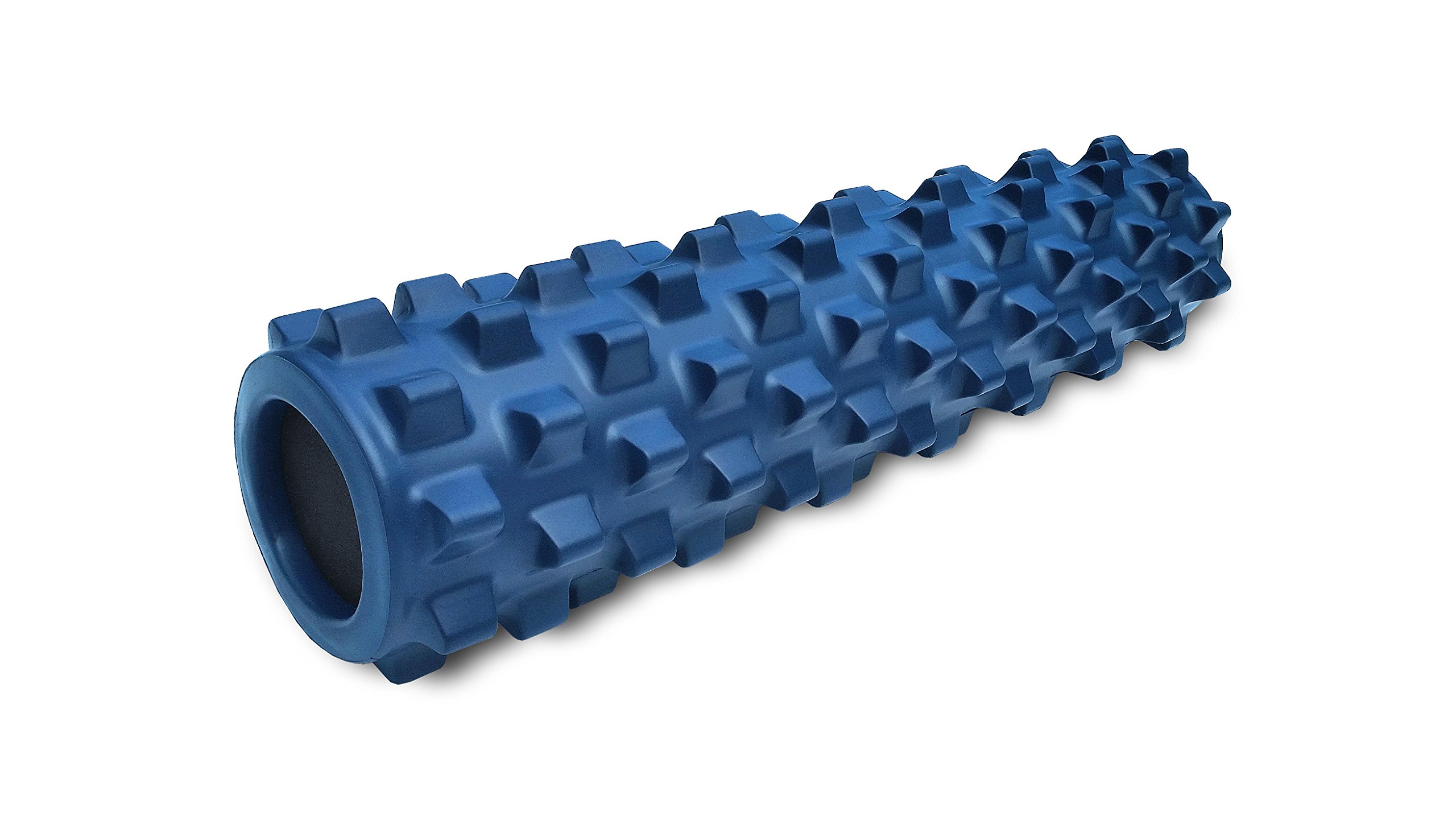
The dense hexagonal surface sets this 22-inch roller apart from smooth and grid-textured cylinders. The EVA/polyolefin body keeps the bumps firm enough to press into knots rather than glide over them, and the 22-inch length covers legs, glutes, and much of the back in a few passes. Compared with the shorter grid option in this set, it trades portability for a broader contact area and a more aggressive hit. The pressure acts like focused massage work rather than the diffuse push of a smooth cylinder. The longer body also gives you more leverage than a compact roller.

This roller suits CrossFit users, powerlifters, and anyone who regularly works through deep muscle soreness. Newcomers should expect a break-in period before the bump surface feels comfortable. At a premium price, it makes sense for a serious recovery routine rather than a casual stretching session.

💡 Angle the roller diagonally for longer strokes along the spine.

Pros

  • Sturdy EVA/polyolefin build stands up to aggressive body-weight rolling.
  • Deep, targeted release for stubborn knots and trigger points.
  • Effective before and after training for athletes who need extra pressure.

Cons

  • 22-inch length sits between compact and full-length rollers, so back work requires more repositioning.
  • The bump pattern can be genuinely painful on sensitive areas like the spine or hamstrings.
Our verdict

Serious athletes who want massage-level pressure will find this a valuable addition; casual rollers should start with a softer cylinder.

Check Latest Price
5

Best Spine-Contoured Option

Rollga PRO 18-inch Roller

91 /100
Peggy's Score Outstanding

Key details

Length
18 in
Density
High-density
Surface
Patented grooves
Material
High-density foam
Check Details on Amazon

The Rollga PRO's patented grooves fit around the spine, directing pressure into the muscle bands along the vertebrae instead of onto bone. The high-density foam is 20% firmer than the standard Rollga, giving experienced users the depth they want for fascial work. Compared with the top pick's compact grid surface, the 18-inch body adds length for back and leg coverage while keeping the portability of a short roller.

The firm, intense contour is part of the design, so this is not the entry point for beginners or anyone still adapting to deep-tissue work. It suits people who already know how much pressure their back can handle and who want spine protection without sacrificing that depth. People who prefer a smooth cylinder will not enjoy the grooves, and the targeted relief only helps if you are willing to work with the contour.

💡 Start on the sides of the spine before full-back rolling, and let body weight settle in gradually.

Pros

  • Spine-focused grooves keep bone clear while releasing tight back muscles.
  • High-density build delivers deep pressure for experienced self-myofascial release.
  • Longer 18-inch surface covers more back area than compact rollers without being a full-body tube.

Cons

  • The 20% firmer build can feel overwhelming for someone new to high-density rolling.
  • On an already sensitive spine, the hard contour can cause sharp discomfort before release.
Our verdict

For experienced rollers who want spine-aware pressure, this is the more specialized option.

Check Latest Price
6

Best Compact Textured Value

321 Strong Textured 12-inch

91 /100
Peggy's Score Outstanding

Key details

Length
12.5 in
Density
Medium
Surface
Three-zone textured
Material
Closed-cell EVA
Check Details on Amazon

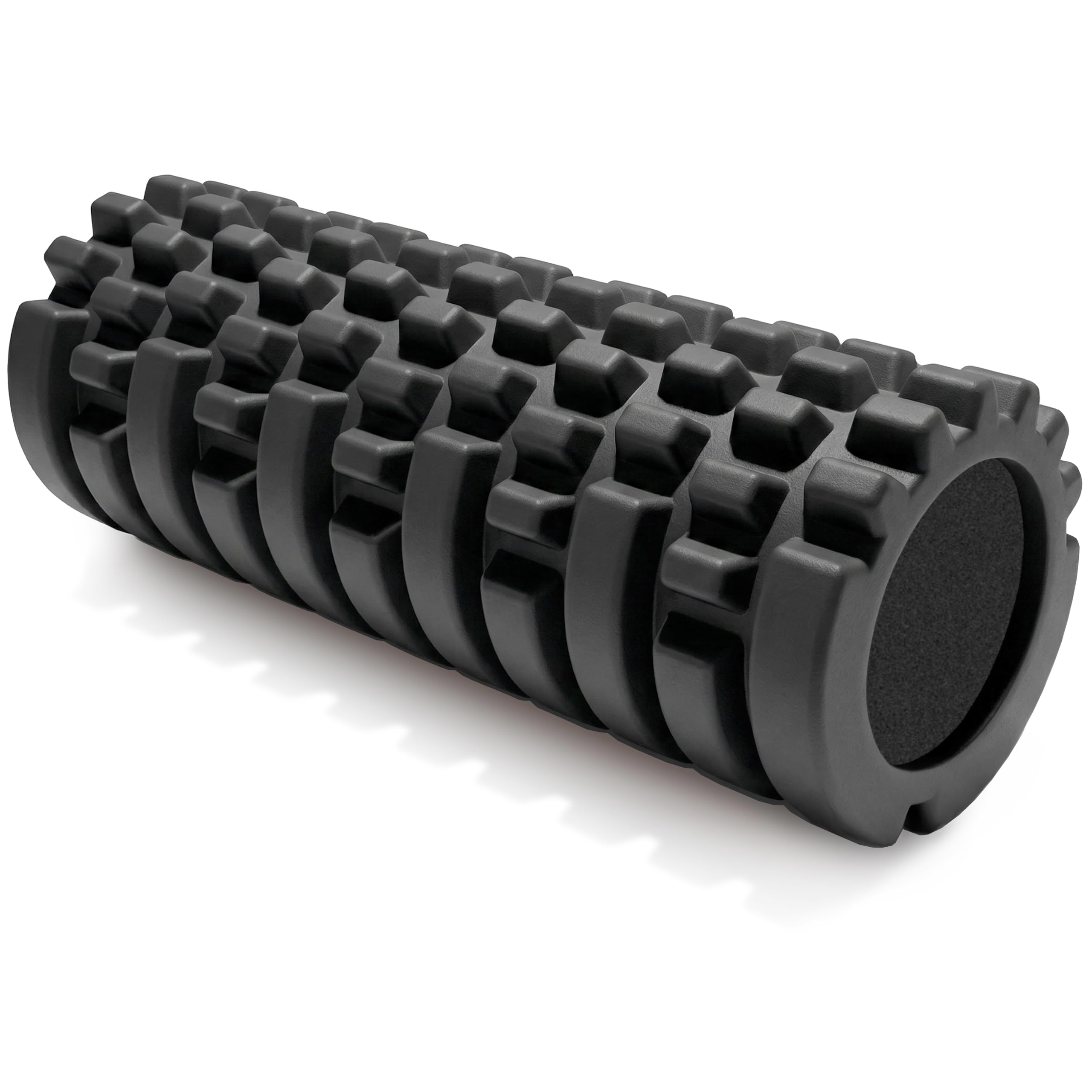
Patented three-zone texture applies focused pressure that mimics a massage therapist's fingertips, while the medium-density EVA core holds its shape under body weight. The raised zones are spread across the surface, so you can shift between broad contact and deeper, more localized pressure without switching tools. That makes it a practical alternative to smooth rollers for targeted trigger-point work on calves, quads, and glutes. The closed-cell EVA surface is easy to wipe down after sweaty sessions.

Best for people who are comfortable with tactile pressure and don't need one tool to cover the entire back; beginners with low pain tolerance should choose a longer, smoother option. The 12.5-inch length is compact, and the textured knobs can be too intense for sensitive backs, so this fits targeted work rather than full-spine rolling.

💡 For targeted back work, position the roller perpendicular to the spine and move across the muscle band.

Pros

  • Three-zone surface mimics a therapist's fingers for deep, targeted relief.
  • Effective for stretching and recovery without much setup.
  • Sturdy build handles body weight without flexing during use.

Cons

  • For full-back work, the 12.5-inch length requires repositioning.
  • On a sensitive back, the textured knobs may be more than you want.
Our verdict

For someone who wants targeted, therapist-level pressure without paying a premium, this roller delivers a lot of relief in a compact format.

Check Latest Price
7

Full-Length Firm Budget

Yes4All 36-inch EPP Roller

93 /100
Peggy's Score Outstanding

Key details

Length
36 in
Density
High-density
Surface
Smooth
Material
High-density EPP
Check Details on Amazon

At 36 inches, this high-density EPP roller covers the full back and legs in one pass, giving athletes deep myofascial pressure without surface texture. The smooth cylinder holds up under daily use and supports yoga and Pilates balance work at a budget-friendly price. It lands behind the similar smooth 36-inch budget roller only because the EPP firmness is less forgiving; this is not a cushioned beginner option.

Pros

  • Full 36-inch length covers the entire back and legs in one pass.
  • Supports post-workout recovery for back and shoulder tension.

Cons

  • Hard surface can be too intense for back-sensitive users.
Our verdict

Choose this 36-inch cylinder if you already know you like firm, texture-free rolling for full-body recovery.

Check Latest Price
8

Physical Therapy Rehab

OPTP PRO-Roller Std 36-inch

93 /100
Peggy's Score Outstanding

Key details

Length
36 in
Density
Standard
Surface
Smooth
Material
Closed-cell EVA
Check Details on Amazon

This 36-inch smooth foam roller gives physical therapy and studio users a long, stable surface for back and leg work. The closed-cell EVA holds its shape under repeated use, and the full length suits stretching routines. It is a standard-density tool, which is firmer than soft rollers; the premium price also sits above entry-level options. Those tradeoffs keep it a secondary recommendation for shoppers who need long-format rolling rather than the default choice.

Pros

  • Build quality holds up to daily physical therapy and studio use.
  • Long 36-inch surface supports back stretches, yoga, and physical therapy work.

Cons

  • Standard density can feel too hard for some back-sensitive users.
Our verdict

Choose this when physical therapy-style full-body rolling and clinic-grade length matter more than soft cushioning or budget savings.

Check Latest Price
9

Softer Grid Travel

TriggerPoint CORE Roller

93 /100
Peggy's Score Outstanding

Key details

Length
18 in
Density
Soft
Surface
GRID texture
Material
Solid-core EVA
Check Details on Amazon

The CORE roller keeps TriggerPoint's GRID surface at a lower compression level, which makes the jump from smooth to textured rollers less abrupt. The solid EVA core supports regular leg, glute, and upper-back work. Its softer rating is relative to the original Grid, not a plush cushion, and the compact design is best understood as a targeted tool rather than a full-back platform. That's the boundary behind why it trails the top pick for all-around use.

Pros

  • Lower-compression GRID surface eases the move from smooth to textured rollers.
  • Sturdy solid-core EVA build stands up to regular rolling sessions.

Cons

  • The softer label is relative; GRID nubs can still feel firm on sensitive spines.
  • The 18-inch length and 4-inch diameter require repositioning for full-back work and can feel less stable.
Our verdict

Choose this for targeted limb recovery and a gentler entry into textured rolling if you can accept the limits of a compact frame.

Check Latest Price
10

Budget Bumpy Travel

RumbleRoller Basic 13-inch

87 /100
Peggy's Score Excellent

Key details

Length
13 in
Density
Surface
Bumpy grid
Material
Solid EVA core
Check Details on Amazon

A solid EVA core with Rumble-style bumps makes this a practical way to try textured rolling without a big investment or a full-size footprint. It targets lower-back and leg tension, and the shorter length plus the less aggressive feel than the Original RumbleRoller are why it sits below that fuller option: this is a starter/travel version, not a full-coverage tool. For a compact budget roller, it delivers the Rumble-style texture buyers expect at a lower cost.

Pros

  • Compact 13-inch build fits a gym bag and targets lower-back and leg tension without taking up floor space.
  • Solid EVA core with Rumble-style bumps at a budget-friendly price for an entry-level textured roller.

Cons

  • The bumpy surface can be too hard for sensitive backs.
Our verdict

Pick this when you want a travel-sized first bumpy roller; choose a smooth or softer roller if a tender back is a concern.

Check Latest Price
11

Budget Beginner Travel

ProsourceFit 12-inch Roller

93 /100
Peggy's Score Outstanding

Key details

Length
12 in
Density
High-density
Surface
Smooth
Material
High-density EPP
Check Details on Amazon

The ProsourceFit's smooth high-density EPP shell stays rigid under body weight, making basic muscle rolling effective without relying on nubs or grooves. The firm shell can be too hard for some spines, and the 12-inch length limits full-back use, so this is best treated as a travel-friendly entry point rather than a full-spine tool. Budget-conscious beginners who need a simple, low-cost way to start rolling can ignore those boundaries; anyone with back sensitivity or a need for long coverage should look at softer or longer options.

Pros

  • Smooth high-density surface provides firm rolling pressure for legs and back at a budget price.
  • Compact build holds its shape through regular use and is easy to pack for travel.

Cons

  • Smooth-only surface skips the textured nubs that deliver pinpoint trigger-point pressure.
Our verdict

This is the right budget roller for a first-time buyer or traveler who wants an inexpensive, smooth, and packable tool for basic muscle work.

Check Latest Price
12

Home Physical Therapy

Rolling With It 18-inch Roller

90 /100
Peggy's Score Outstanding

Key details

Length
18 in
Density
Firm
Surface
Smooth
Material
Premium EVA foam
Check Details on Amazon

The 18-inch Rolling With It roller supplies firm, smooth EVA pressure for home physical therapy and general back-and-leg muscle work. The mid-size format covers the glutes, quads, and upper back without the storage demands of a 36-inch cylinder. Firmness is a tradeoff: the high-density surface can feel too intense on the spine for people who prefer softer cushioning. That makes it a fit for users who want controlled pressure and don't need a plush roller.

Pros

  • Smooth high-density EVA surface delivers steady pressure for back and leg muscle work.
  • 18-inch length balances broad lower-body coverage with a footprint that fits home storage.

Cons

  • 18-inch length leaves less full-spine coverage than 36-inch alternatives, so users reposition for continuous back work.
Our verdict

This is the one to keep beside a home workout mat when you want a smooth cylinder with enough surface area for legs and back.

Check Latest Price

How to Choose

Density and Firmness

Soft-density rollers compress more under body weight, so pressure spreads across a wider area. High-density and EPP foam barely yield, concentrating force into a narrower band. That is why the same roller can feel supportive on a calf and too intense on the thoracic spine.

A good rule of thumb: if you cannot sink into the surface more than a fraction of an inch, the roller is too firm for you.

Length and Coverage

A 36-inch roller bridges the full spine and both hamstrings in a single pass, while a 12-inch roller creates localized pressure and requires repositioning. Compact sizes travel well, but back work becomes a sequence of segmented moves instead of one continuous stretch.

Surface Texture

Smooth rollers deliver continuous pressure, so the load stays predictable. Grid and bump textures create intermittent contact, which raises peak pressure on the tissue directly under each node. That makes textured rollers better at trigger-point work and harder for sensitive users to tolerate.

Material and Build

Closed-cell EVA holds its shape and resists sweat, but the density of the foam dictates firmness. EPP is stiffer and lighter, which is why budget long rollers often feel harder than their price suggests. Hollow-core designs cut weight and add a rigid barrel, but a roller that splits at a seam loses its ability to support body weight.

Weight Capacity and Stability

Weight limits reflect how much force the roller can handle without deforming or buckling. A higher capacity matters for heavy users and for dynamic movements where body weight concentrates through a small contact area. Most standard rollers handle typical home use, but long two-piece designs can separate under load.

Frequently Asked Questions