10 Best Foot Stretchers of 2026: Sturdy Designs That Won't Let You Down

Find the best foot stretcher for plantar fasciitis and tight calves that won't break or slip, whether you're at the gym or on the yoga mat.

You find a foot stretcher with hundreds of glowing ratings, only to read that the hinges snapped on day four or the non-slip tread peeled off after a month. The market is full of designs that look sturdy online but use cheap fasteners that fail exactly when you need them most. For anyone recovering from plantar fasciitis or tight calves, a collapsing board isn't just frustrating—it can set your progress back weeks.

The solution isn't to spend the most money; it's to prioritize the physical hardware that keeps you safe and stretches your feet effectively. This guide filters out the noise and zeroes in on products built to last, based on what real use reveals about hinges, grip tape, and frame integrity.

The core trade-off comes down to how you want to stretch: a dedicated rocker isolates the calf and Achilles with a single motion, while an adjustable slant board lets you squat and shift angles for progressive flexibility. Understanding that choice—and matching it to your yoga or gym routine—makes all the difference.

1

Best Overall

ProStretch Original

91 /100
Peggy's Score Outstanding

Key details

Material & Build
Rubber
Size Compatibility
Up to shoe size 12
Portability & Storage
Check Details on Amazon

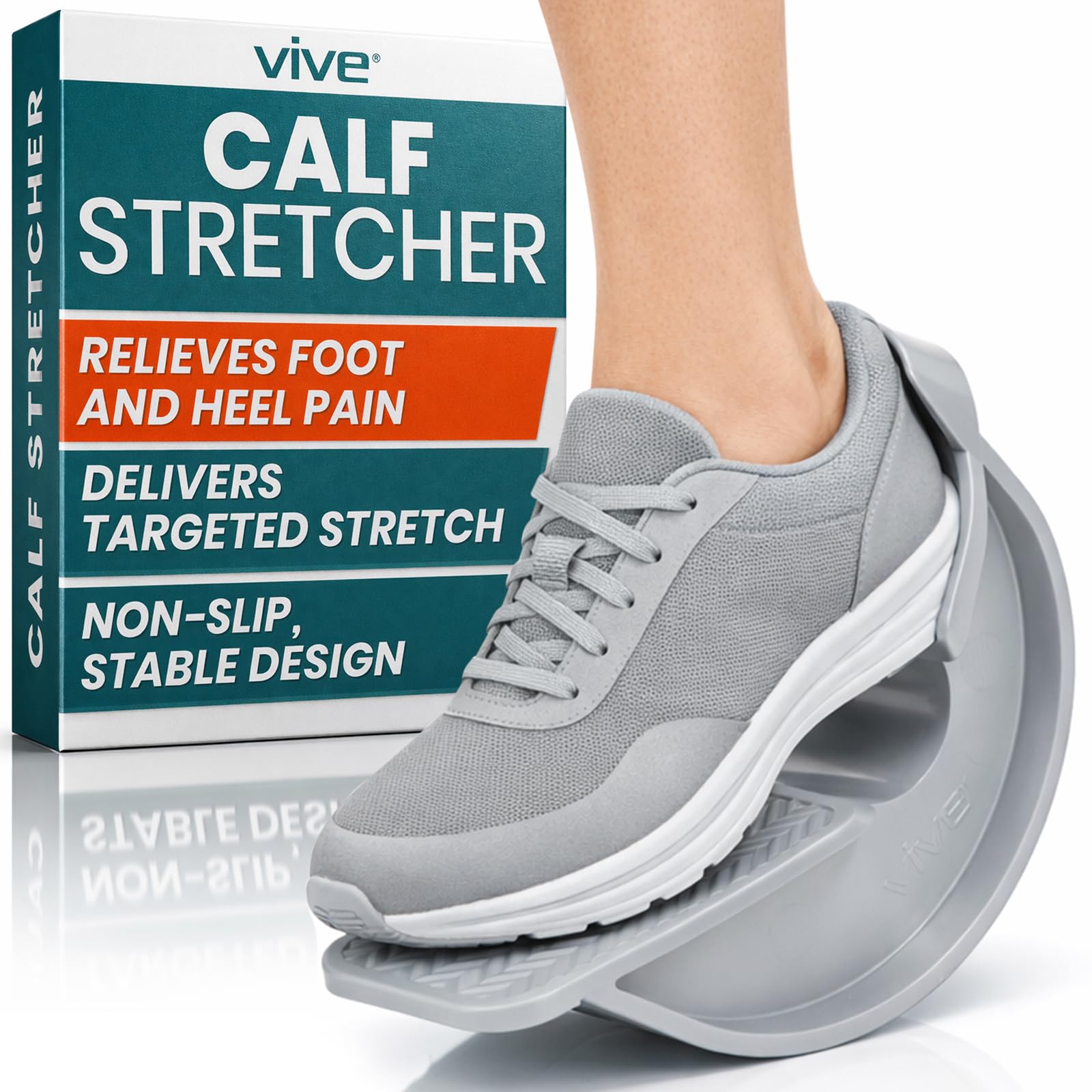
The ProStretch Original uses a single-foot rocker design to deliver a targeted dorsiflexion stretch that engages both the gastrocnemius and soleus more deeply than static slant boards or wall leans. The non-slip rubber base grabs hard floors and low-pile carpet securely, and the device stays planted during use as long as a sturdy athletic shoe is worn. Thousands of physical therapy patients have relied on this simple motion to release chronic tightness without overextending the foot.

The device is built for individuals under 250 lbs with a shoe size up to 12. It requires alternating each leg, so the stretch is deliberate and isolated rather than time-saving. Anyone who prefers barefoot stretching should look elsewhere — the rocker’s design expects rubber-soled shoes for comfort and stability. Within those boundaries, it remains a cost-effective, durable tool for daily plantar fasciitis and Achilles tendonitis maintenance.

💡 Wear supportive athletic shoes with rubber soles when using the rocker — barefoot use compromises both comfort and stability.

Pros

  • Provides a deep, effective calf and Achilles stretch that isolates the lower leg.
  • Significant relief from plantar fasciitis and Achilles tendonitis.
  • Professional-grade construction that holds up over years of daily use.

Cons

  • Weight limit of 250 lbs excludes heavier individuals from safe use.
  • Fits up to men’s size 12 and requires sturdy athletic shoes; barefoot use is uncomfortable and may reduce stability.
Our verdict

If you fit within the weight and shoe size limits and want a focused, durable tool for plantar fasciitis relief, the ProStretch Original remains the reference standard.
Check Latest Price
2

Best Adjustable Slant Board

MUCITAGF Slant Board

95 /100
Peggy's Score Outstanding

Key details

Material & Build
Hardwood
Size Compatibility
Standard width
Portability & Storage
Check Details on Amazon

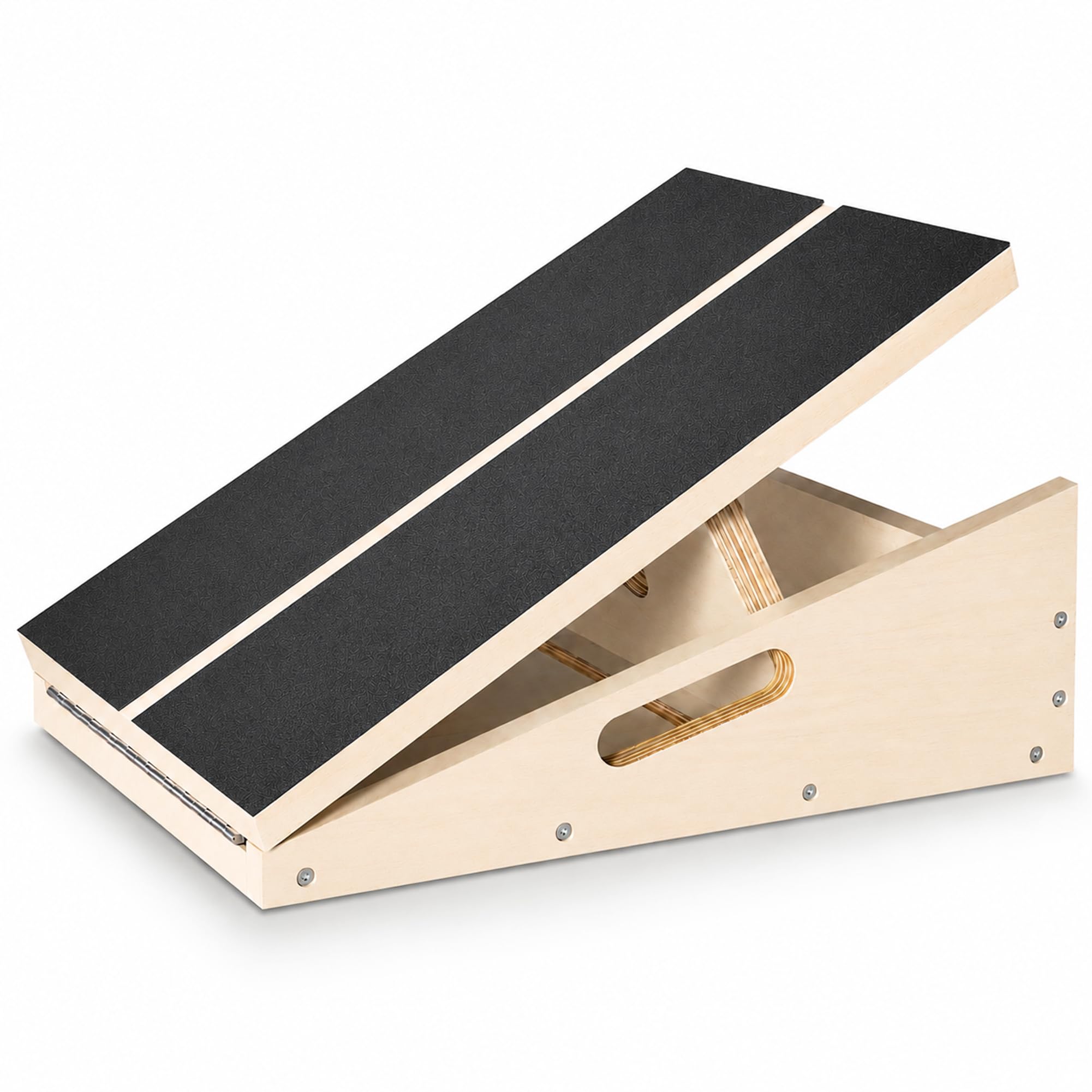
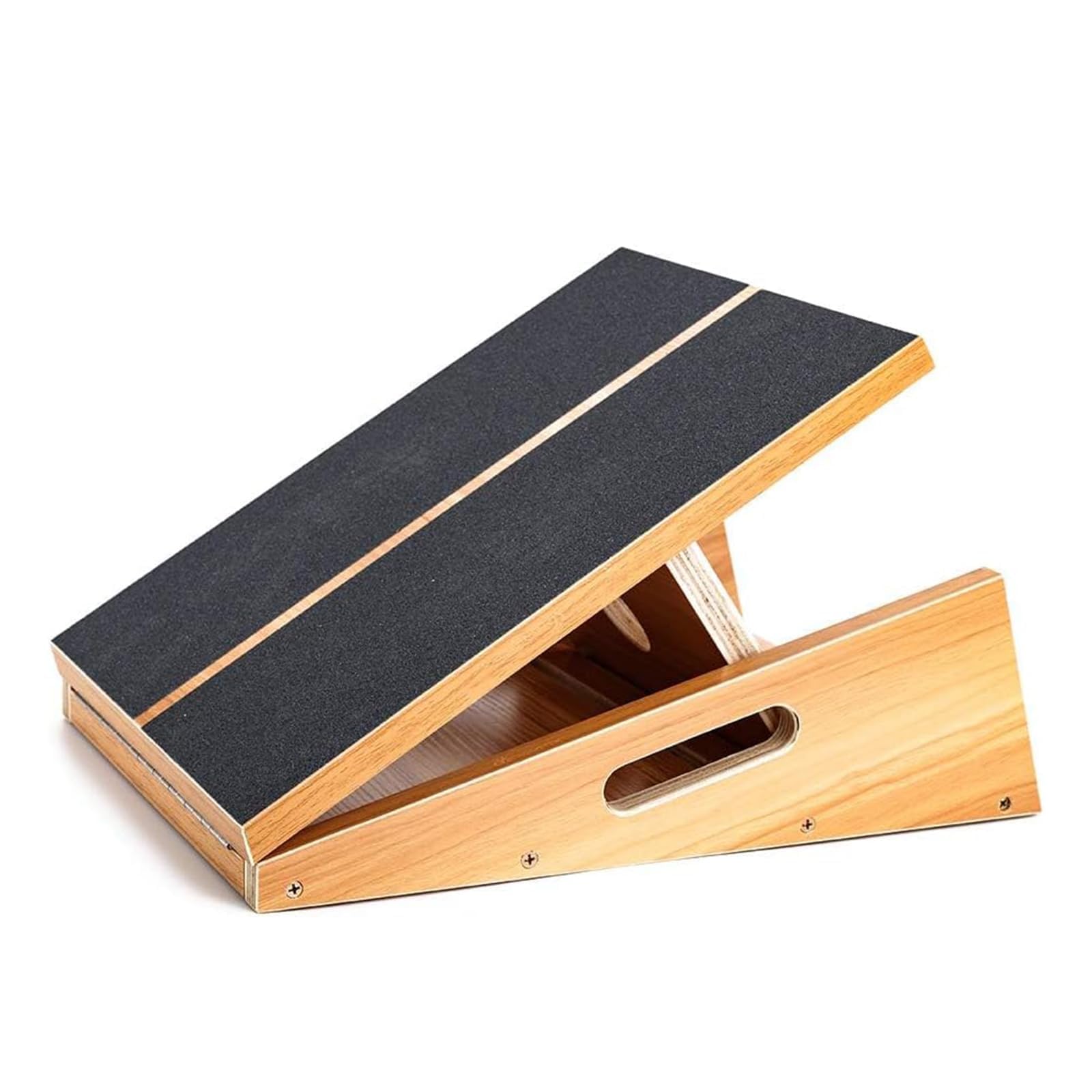
Where fixed-angle boards force a single incline, the MUCITAGF adjusts from 15° to 35°, letting you progressively deepen stretches. The hardwood platform stays planted under load, and the non-slip top prevents foot drift. No creaking or shifting at the 500-pound limit, making it a serious tool for rehab and dynamic movements. This board fits athletes up to size 12 who prioritize multi-angle adjustability and don't need an extra-large platform. Physical therapy patients and home gym users will appreciate the sturdy, wobble-free surface for daily stretching and rehab work. At a mid-range price, it delivers construction quality that rivals more expensive fixed-angle boards.

💡 If you plan to use it for wide-stance squats, confirm the 12.5-inch width suits your foot size and stance before purchase.

Pros

  • Hardwood construction and non-slip top keep the board planted during intense stretches and squats
  • Five incline settings (15° to 35°) enable gradual progression for calf and Achilles flexibility
  • 500-pound weight capacity handles heavy squats and rehab exercises without wobble

Cons

  • Board width may feel narrow for users with larger feet or during squats
Our verdict

For athletes and rehab users who need a rock-solid, adjustable slant board and don't require a wide footprint, the MUCITAGF delivers professional-level stability.

Check Latest Price
3

Best Heavy-Duty Slant Board with XL Option

StrongTek Wooden Slant Board

96 /100
Peggy's Score Outstanding

Key details

Material & Build
Hardwood plywood
Size Compatibility
Standard or XL width
Portability & Storage
Check Details on Amazon

Built from thick lauan hardwood plywood and weighing nearly 9 pounds, this slant board stays put during deep calf stretches and squats. Five angle positions from 15° to 35° let you progress from gentle plantar fascia relief to more aggressive Achilles stretching without swapping equipment.

The board comes in both standard and extra-large sizes — a genuine advantage for users with shoe sizes above 12 who often feel cramped on narrower models. The non-slip tread provides adequate grip initially, but the adhesive may weaken over time, causing edges to lift. For anyone prioritizing a stable, heavy platform over grab-and-go portability, that is a manageable tradeoff.

Pros

  • Solid hardwood construction provides lasting stability for stretching and bodyweight exercises.
  • Five adjustable angles make progressive calf and Achilles stretches easy and effective.
  • Regular use helps reduce plantar fasciitis tightness and improves ankle mobility.

Cons

  • Grip tape may begin peeling at edges after prolonged use, reducing slip resistance.
Our verdict

The hardwood build and XL option make this a smart pick for larger-footed users who want a no-bounce slant board for stretching — just expect the grip tape to need replacing after heavy use.

Check Latest Price
4

Best Portable Slant Board

TEMI Slant Board

90 /100
Peggy's Score Outstanding

Key details

Material & Build
High-density wood
Size Compatibility
Portability & Storage
Foldable with handle
Check Details on Amazon

At just 5 lbs with a built-in handle, the TEMI tucks into a gym bag without sacrificing capacity — it holds 500 lbs, matching bulkier fixed boards. This is the portable counterpoint to the solid hardwood boards that stay put in a home gym. It suits users who want a travel-friendly wedge for squats and calf stretches and don’t mind a quick start-up task: some units ship with rough wood edges that need light sanding to prevent splinters.

💡 A quick pass with fine-grit sandpaper along the edges smooths out the occasional rough spot.

Pros

  • Reaches deep into calves and Achilles for targeted stretching.
  • Stable, non-slip platform stays secure under squats and foot-elevated exercises.
  • Mid-range price delivers solid value for a portable board with a 500-lb capacity.

Cons

  • Wood edges may need light sanding to avoid splinters right out of the box.
Our verdict

If you need a portable board that can handle heavy loads, the TEMI delivers — just budget five minutes with sandpaper before your first session.

Check Latest Price
5

Best for Bilateral Stretching

ProStretch Double

92 /100
Peggy's Score Outstanding

Key details

Material & Build
Rubber
Size Compatibility
Up to shoe size 12
Portability & Storage
Check Details on Amazon

Stretching both calves at once cuts your daily routine time in half, a clear advantage over single-foot rockers for anyone managing bilateral tightness. The wide rocker base provides a steady, even stretch across both legs, though the shared weight means the stretch may not go as deep per foot as the top-pick single model.

The double stretcher suits couples sharing one device and those with symmetrical plantar fasciitis or calf tightness. Keep in mind the 250-lb weight capacity and size-12 shoe limit — athletic shoes are mandatory, making it a miss for heavier users or larger feet.

Pros

  • Stretches both calves simultaneously, targeting plantar fasciitis effectively.
  • Delivers a deep, even stretch across both legs at once.
  • Durable construction holds up well under daily use.

Cons

  • Stretch depth per foot may be slightly less intense than the single-foot rocker, as weight distributes across both legs.
  • Maximum user weight of 250 lbs and shoe size 12, requiring sturdy athletic shoes.
Our verdict

If bilateral tightness drives your daily stretching routine, this rocker cuts your routine time in half without sacrificing durability — just know that the per-foot stretch depth is slightly less focused.

Check Latest Price
6

Best Stretching Strap

DMoose Stretching Strap

89 /100
Peggy's Score Excellent

Key details

Material & Build
Nylon/neoprene
Size Compatibility
Adjustable
Portability & Storage
Portable (pouch)
Check Details on Amazon

The DMoose strap's thick 8mm neoprene padding and seven loops make floor-based hamstring and calf stretches more comfortable than bare-bones straps. Unlike standing rockers, stretching from the floor needs no balance, and the multiple loops allow gradual progression. The hook-and-loop fastening can slip mid-stretch, but a quick re-tighten resolves it; the padding still limits pressure.

It fits rehabbers with plantar fasciitis who want an affordable, cushioned strap for controlled floor stretches. Very large feet or high insteps may compromise Velcro security, and those needing zero slippage will prefer a non-adjustable option or a rocker.

💡 Press the Velcro down firmly before stretching; if you feel any slip, a quick re-tighten keeps the session smooth.

Pros

  • Delivers a deep, controlled stretch for calves and hamstrings from a lying position.
  • Aids leg mobility and flexibility with consistent use.
  • Supports pain relief during plantar fasciitis rehab sessions.

Cons

  • Hook-and-loop fastening may loosen during use, requiring readjustment.
Our verdict

A comfortable, well-padded strap for lying-down foot and calf stretches — just expect to occasionally re-secure the Velcro.

Check Latest Price
7

Budget Rocker

Vive Foot Rocker

88 /100
Peggy's Score Excellent

Key details

Material & Build
Plastic
Size Compatibility
Portability & Storage
Portable
Check Details on Amazon

The Vive Foot Rocker holds your foot at a stable angle for deep calf and Achilles stretches that help with plantar fasciitis and pre-workout mobility. The hard plastic surface makes barefoot use genuinely painful, so the rocker only works well with athletic shoes. This limits its appeal to those who always stretch in footwear — if you prefer socks or bare feet, skip this model.

Pros

  • Provides targeted plantar fasciitis relief through deep calf and Achilles stretching.
  • Sturdy build that stays put during aggressive stretching sessions.

Cons

  • Hard plastic surface is painful to use barefoot, requiring athletic shoes for any stretch session.
Our verdict

The Vive Foot Rocker is a sensible budget pick for athletes and PT patients who routinely stretch in athletic shoes. If your routine already includes footwear, it delivers a consistent stretch without costing much.

Check Latest Price
8

Small Feet Rocker

PowerStep UltraFlexx

90 /100
Peggy's Score Outstanding

Key details

Material & Build
Plastic
Size Compatibility
Up to size 12
Portability & Storage
Portable
Check Details on Amazon

The PowerStep UltraFlexx effectively stretches calves and relieves heel pain, with a sturdy build at an entry-level price. It is not suitable for men's shoe size 13 or above, and barefoot use is uncomfortable. With athletic shoes and small-to-average feet, it offers consistent relief.

Pros

  • Effectively stretches calves and relieves heel pain
  • Good quality construction

Cons

  • May be too small for large feet (size 13+) and uncomfortable barefoot
Our verdict

For budget-conscious users with small-to-average feet, this rocker provides effective calf stretching when used with athletic shoes.

Check Latest Price
9

Basic Strap

comness Stretching Strap

89 /100
Peggy's Score Excellent

Key details

Material & Build
Nylon/neoprene
Size Compatibility
Portability & Storage
Portable (pouch)
Check Details on Amazon

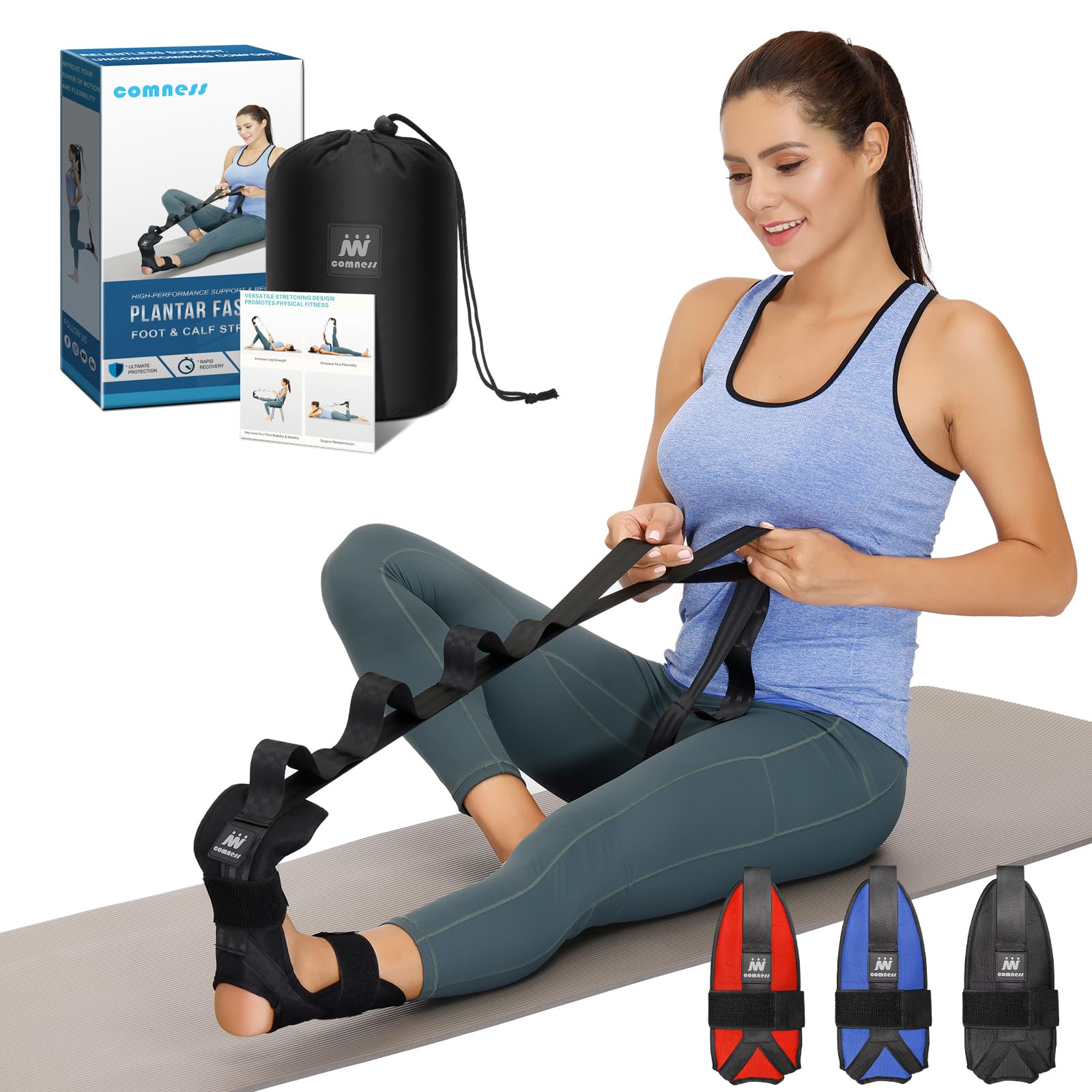
The comness strap bundles six grip loops and a travel pouch into a low-cost package for basic plantar fasciitis stretches. Its simple design makes it easy to pack and use anywhere. Stitching durability is a known vulnerability, so treat it as a light-use accessory rather than daily rehab gear.

Pros

  • Six loops make it easy to target calves, quads, and feet for stretching
  • Helps improve flexibility during physical therapy routines

Cons

  • Foot cradle may be too long for smaller feet, causing foot to slip out
Our verdict

Best for infrequent stretchers with average-to-large feet who want an inexpensive, travel-friendly option — just don't expect heavy-duty longevity.

Check Latest Price
10

Occasional Strap

WANYIDA Stretch Strap

88 /100
Peggy's Score Excellent

Key details

Material & Build
Nylon
Size Compatibility
Shoe size 5-13 women/12 men
Portability & Storage
Portable (bag)
Check Details on Amazon

The WANYIDA strap delivers a functional calf and foot stretch for light, occasional use. The nylon material is portable and easy to slip on, but it can tear or its Velcro may give out under regular tension. It’s a travel companion for gentle plantar fasciitis relief, not a daily rehab tool.

Pros

  • Effective for calf and foot stretching.
  • Works well for plantar fasciitis and flexibility.

Cons

  • Strap may slide sideways on foot during use.
Our verdict

For the occasional plantar fasciitis stretch when traveling, this ultra-budget strap is the smallest and cheapest way to get there — just don’t count on it lasting through daily sessions.

Check Latest Price

How to Choose

Adjustability

Multiple-angle slant boards let you start at a shallow 15° and work up to a deeper 35° as flexibility improves, which helps rebuild calf and Achilles range over weeks. A fixed-angle rocker gives you only one depth, but it concentrates all the stretch precisely where you need it, without the risk of an unstable hinge.

If you plan to use the board for squats in your gym session, an adjustable incline is essential; if your focus is purely post-yoga calf release, a fixed rocker eliminates a moving part that could later fail.

Weight Capacity

A listed weight limit isn't just a safety guideline—it's often the point where the hardware starts to stress and break. On folding boards, screws and hinges bear your full weight in a dynamic load, so a 250-lb person on a 300-lb rated board can still trigger a collapse if the fastener quality is poor.

Heavy-duty non-folding boards with 500-lb capacities typically use stronger joinery and thicker wood, making them a safer bet for heavier users or anyone who plans to use the board for weighted squats.

Material & Build Quality

Hardwood boards weigh more but absorb vibration better and resist cracking, while plastic rockers are lightweight but can dig into bare feet painfully. The real weak point is often the hardware—wood screws strip faster than metal bolts, so a premium-priced board can still fail if it relies on weak fasteners.

When scanning reviews, look past the wood type and check for reports of tread peeling or screw loosening, because grip tape that detaches or a wobbly platform quickly makes even a beautifully finished board unusable.

Portability & Storage

Foldable slant boards with a carry handle are easy to toss in a gym bag, but each hinge joint creates a potential failure point under stress. Non-folding boards take up more space under the bed, yet their solid structure eliminates the most common breakage mechanism.

If you need a device that moves between home, office, and studio, a compact strap or a well-built folding board under 5 lbs can be worth the trade-off, provided you verify that the hinge uses metal reinforcement, not just wood screws.

Size Compatibility

For foot rockers, a shoe size limit—usually up to a men's 12—stops larger feet from overhanging the platform and slipping. On slant boards, width is the overlooked spec: a 12.5-inch board works for most, but if your stance is wider or your shoes are bulkier, an XL option or a wider platform prevents your heel from floating off the edge.

Always check whether the product expects you to wear athletic shoes during use; a board that feels cramped barefoot can become perfectly stable with a pair of cross-trainers, while a strap with a too-large foot cradle can let smaller feet slide out mid-stretch.

Frequently Asked Questions