11 Best Cork Yoga Mat of 2026: Match Grip to Your Practice

Cork yoga mats differ in weight, traction, and durability — find the one that matches your practice and sweat level.

Cork yoga mats get marketed as naturally grippy, but the surface only becomes tacky once it meets moisture. With dry hands, most cork feels slick at first, and that is a use-case detail, not a defect. The actual split is between heavy natural-rubber bases that stay planted and lightweight TPE mats that are easier to carry but wear faster.

Choosing well means deciding where the mat will live and how much you sweat. A heavier rubber mat provides stable grip during hot flows but becomes a burden if you walk to class. A light mat makes commuting easier, but the softer base may compress and the cork layer can peel sooner.

This guide matches each mat to a specific practice, whether your priority is grip, portability, or cushioning. Cork is not one-size-fits-all; knowing whether you need moisture-activated traction or a featherlight roll changes the right answer.

1

Best Overall

Body By Yoga Cork Mat

89 /100
Peggy's Score Excellent

Key details

Weight
5.9 lb
Thickness
4.25mm
Dimensions
72 x 24 in
Base Material
Natural rubber
Check Details on Amazon

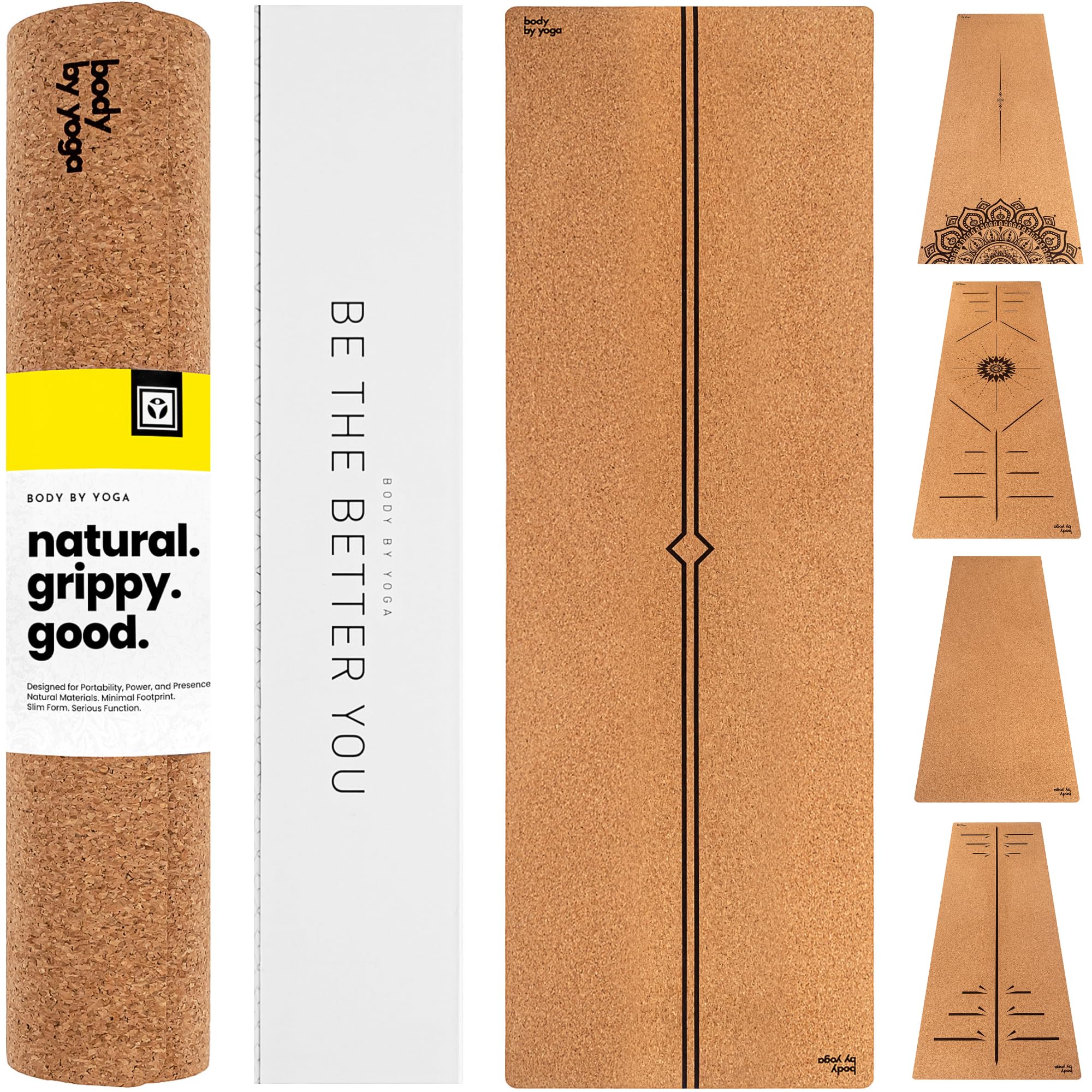
The 4.25mm cork layer over a natural rubber base delivers a stable, moisture-activated grip that holds through vinyasa and hot sessions. Palms and feet stay put once the cork warms up, while the underlayer cushions knees and wrists without feeling mushy. At 72 by 24 inches, it gives a 6-foot-3 yogi full head-to-toe coverage, a real improvement over standard 68-inch mats, though not as long as the 80-inch options in this category.

The cork surface feels dry and slightly textured at first, then locks in as hands dampen; that behavior is normal for cork. A low-odor adhesive keeps the fresh-mat smell from taking over a bedroom. The base stays planted on hardwood and tile between poses, so you are not wrestling the mat back into place.

Body By Yoga suits home practitioners who want one durable mat for daily practice and floor workouts and are willing to pay for that longevity. The weight is the boundary: at 5.9 lb, it's one of the heavier rubber-base mats, so anyone commuting to a studio should look at lighter TPE options instead. Budget shoppers can also find cheaper entry-level cork mats, but those trade away the dense build and long-term finish this mat delivers.

💡 Keep it unrolled in your practice space; the weight that complicates commuting is what holds it steady through balancing poses.

Pros

  • Thick cork surface feels substantial and built to handle years of daily practice.
  • Grip stays planted in heated and non-heated sessions, with hands and feet holding firm.
  • Cushioning protects knees and wrists during long sessions without losing stability.

Cons

  • Premium pricing makes it a bigger commitment than a budget entry-level cork mat.
  • At 5.9 lb, it outweighs lightweight TPE mats and becomes a burden for daily studio commutes.
Our verdict

Home yogis who want one long-lasting mat for daily practice will get their money's worth from the thick cork and natural rubber construction.

Check Latest Price
2

Best for Hot Yoga

Yoga Design Lab Cork Mat

87 /100
Peggy's Score Excellent

Key details

Weight
3.5 lb
Thickness
5.5mm
Dimensions
70 x 24 in
Base Material
Natural rubber
Check Details on Amazon

Sweat activates the cork surface on this 3.5 lb mat, so hot yoga sessions get more grip as you warm up and don't require a towel. The printed top makes it easy to spot in a busy studio, while the natural-rubber base keeps it lighter than the durability-focused top pick.

This suits hot-yoga regulars who sweat heavily and want a portable, design-forward mat. Cork flaking can occur after months of heavy hot yoga use, so the surface may not keep its looks as long as its price suggests. Buyers who expect one mat to last for years should choose the thicker-cork top pick instead.

💡 Cork grip is moisture-activated; if your palms start dry, dampen them slightly to get traction from the first pose.

Pros

  • Sweat-activated cork grip gets stronger as you heat up, so hot yoga sessions can skip the towel.
  • Printed tops make the mat easy to spot in a studio and add a design-forward look.
  • 3.5 lb weight keeps it portable while the natural-rubber base still cushions joints.

Cons

  • No alignment guides, so yogis who rely on printed hand and foot markers won't get that help.
Our verdict

For hot-yoga practitioners who sweat heavily, the design-forward build and towel-free grip are worth the premium; the thicker-cork top pick remains the safer durability bet.

Check Latest Price
3

Best Extra-Large Mat

Satori Concept Cork Mat

87 /100
Peggy's Score Excellent

Key details

Weight
5.5 lb
Thickness
6mm
Dimensions
80 x 26 in
Base Material
Natural rubber
Check Details on Amazon

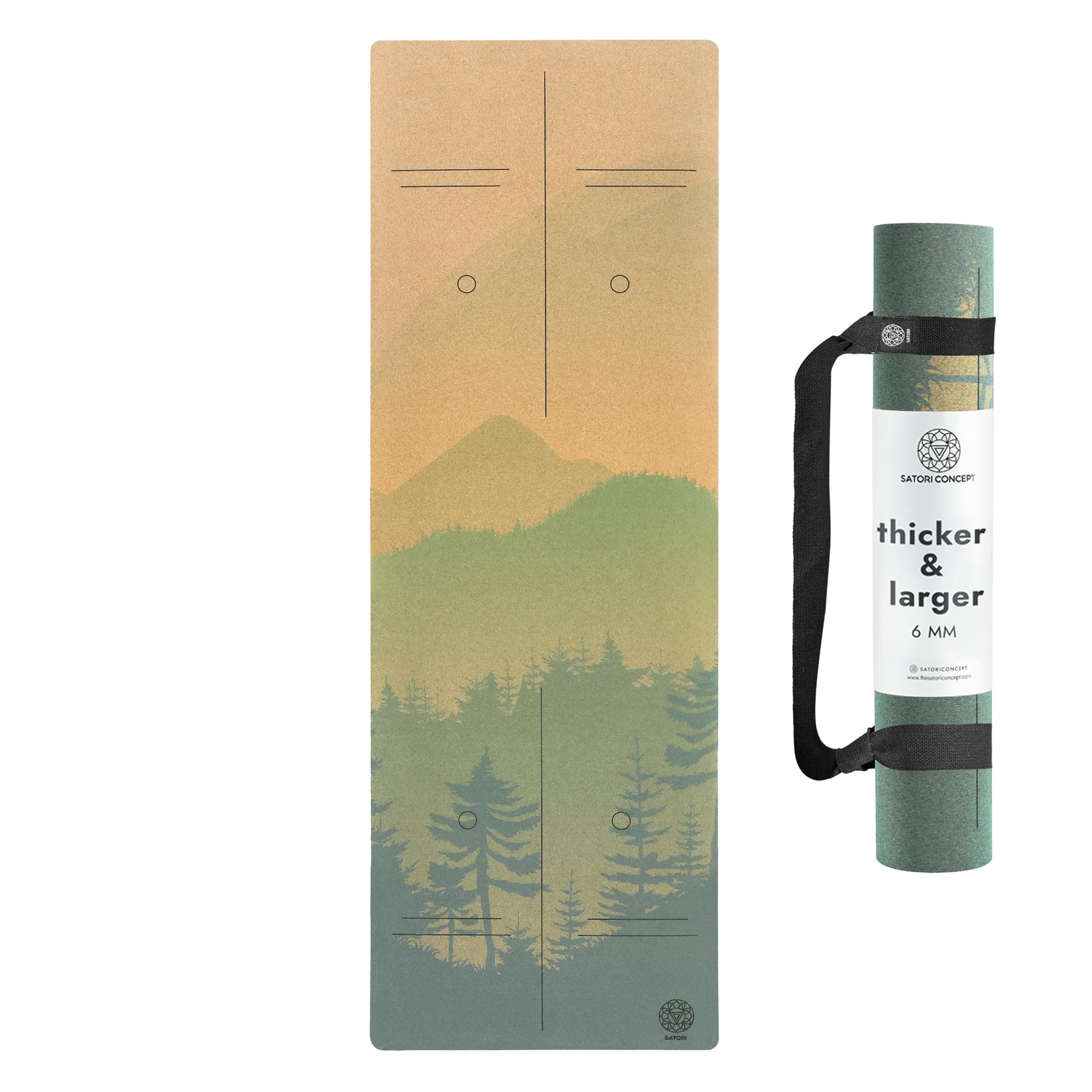
With an 80x26 surface and 6mm natural-rubber base, this cork mat gives taller practitioners the length standard mats skip, plus plush cushioning under knees and hips. Compared with the all-rounder in this set, it trades a thicker cork layer for more surface area and softer cushioning. Once palms warm up, the cork top stays planted on any floor, and the nature-inspired print earns compliments.

This is a home-studio mat: at 5.5 lb it is not a commuter carry, and the blue pattern can transfer dye to skin or clothing in rare cases. For practitioners over 6 feet 2 inches and anyone with joint sensitivity, the dimensions and cushioning deliver what they need.

Pros

  • 80-inch length and 26-inch width keep taller bodies fully covered.
  • 6mm plush cork top cushions hips and knees without feeling unstable.
  • Cork surface stays planted on any floor once palms are warm.

Cons

  • The 80x26 footprint and premium price only make sense when you need the extra space.
Our verdict

Tall or joint-sensitive home practitioners get the extra length and cushioning they need in a cork mat.

Check Latest Price
4

Best Lightweight Mat

Numat Cork Mat

84 /100
Peggy's Score Excellent

Key details

Weight
2 lb
Thickness
6mm
Dimensions
72 x 24 in
Base Material
TPE
Check Details on Amazon

Weighing just 2 lb, the Numat Cork Mat is the lightest practical studio companion in this lineup, with alignment lines and a carry bag included at a budget-friendly price. The 6mm TPE foam cushions knees, and the cork surface becomes grippier once practice generates heat and moisture.

That combination fits commuters and first-time cork buyers who want easy transport and guidance without paying for a heavy rubber mat. Dry hands may feel a slight slip during the first few minutes, which is normal cork behavior; the grip stabilizes once palms warm up.

💡 Start with a few slow poses to warm your palms and activate the cork's grip.

Pros

  • Weighs only 2 lb, making it simple to carry to and from class.
  • Alignment guides help newer students find foot and hip placement.
  • Cork's sweat absorption keeps the surface grippy in heated classes.

Cons

  • The lightweight TPE base feels less planted under balance-intensive standing poses than a denser rubber mat.
Our verdict

For commuters, the Numat's light build and alignment lines deliver the essential cork experience without the weight of a natural-rubber mat.

Check Latest Price
5

Best for Beginners

Y O Gayo Cork Mat

87 /100
Peggy's Score Excellent

Key details

Weight
8.35 lb
Thickness
5mm
Dimensions
72 x 26 in
Base Material
Natural rubber
Check Details on Amazon

A 26-inch-wide cork surface with clear alignment lines gives beginners a stable platform for learning poses at home. The cork bonded to a natural rubber base becomes grippier as you sweat, holding steady through long vinyasa sessions. Cushioning absorbs impact for knees and joints during floor work.

This mat suits home practitioners, instructors who keep a mat at one studio, and beginners who want alignment feedback without carrying gear across town. At 8.35 lb, it is the heaviest mat in the category, so it belongs in a home studio, not a backpack. The wide deck and sweat-activated grip make the stationary setup worthwhile.

Pros

  • Wide 26-inch deck with alignment guides gives beginners clear pose placement cues.
  • Cork surface grips more as you sweat, holding through long hot sessions.
  • Cushioning softens knees and joints during extended floor work.

Cons

  • Thickness spec is ambiguous: title says 5mm, details say 0.16 inches, so the pad may be closer to 4mm.
Our verdict

Beginners get a stable, grippy deck with guidance lines when the mat stays in one place.

Check Latest Price
6

Best for Sensitive Noses

Gurus Cork Mat

82 /100
Peggy's Score Excellent

Key details

Weight
6.3 lb
Thickness
5mm
Dimensions
72 x 25 in
Base Material
Natural rubber
Check Details on Amazon

The Gurus Cork Mat is the odor-free option in this set: the natural rubber base has no chemical smell, and the cork top grips harder as you sweat. That makes it a good fit for hot yoga at home, where rubber odors tend to linger.

For odor-sensitive yogis who sweat heavily, this mat cushions joints, stays stable, and avoids the off-gassing smell of many rubber mats. Heavy hot-yoga sessions can wear the cork layer, and dry hands will find it slippery until moisture is added, so it suits sweaty practice rather than quick dry-floor sessions.

Pros

  • Sweat activates the cork surface, so hot yoga stays planted as the session goes on.
  • Natural rubber base is scent-free from unboxing, skipping the chemical-smell wait.
  • Cushioning absorbs impact in kneeling poses while the mat holds its position on the floor.

Cons

  • At 6.3 lb, it stays in the home studio rather than riding along in a commuter bag.
Our verdict

For home hot-yoga practice without rubber odor, this mat delivers the stable, sweat-activated grip that cork buyers are looking for.

Check Latest Price
7

Eco Home Users

Ecoga Cork Mat

87 /100
Peggy's Score Excellent

Key details

Weight
6.6 lb
Thickness
5mm
Dimensions
72 x 24 in
Base Material
Natural rubber
Check Details on Amazon

This complete cork kit—alignment lines, carrying bag, and strap—forms a solid home-practice package at a mid-range price. At 6.6 lb it is heavy, and long-term hot yoga durability is less established than on the top pick, so commuters and daily hot-yoga practitioners should weigh those limits.

Pros

  • Cork surface is high-quality and the brand's eco-conscious ethos carries through the kit.
  • Alignment lines, strap, and bag make it a complete home-practice setup.

Cons

  • This mat suits car-to-studio trips better than walking to class.
Our verdict

Best for eco-conscious home practitioners who want alignment guides and a full kit.

Check Latest Price
8

Occasional Home Practice

StrongTek Cork Mat

78 /100
Peggy's Score Very Good

Key details

Weight
2.2 lb
Thickness
7mm
Dimensions
72 x 24 in
Base Material
TPE
Check Details on Amazon

The mat delivers solid construction and comfortable cushioning for a budget price, making it a sensible way to try cork for light floor work. The cork top can peel under regular hot yoga use, so treat this as an occasional-practice mat rather than a daily hot yoga companion.

Pros

  • Genuine cork surface at a budget-friendly entry price for first-time cork users
  • Cushioning provides comfortable support without bottoming out

Cons

  • Cork surface can feel slick on dry hands in low-humidity conditions
Our verdict

Best for budget-first practitioners who stretch occasionally at home; hot yoga regulars will want a sturdier build.

Check Latest Price
9

Casual Beginners

Gaiam Cork Mat

82 /100
Peggy's Score Excellent

Key details

Weight
1.8 lb
Thickness
5mm
Dimensions
68 x 24 in
Base Material
TPE
Check Details on Amazon

An entry-level cork mat with a 1.8 lb TPE base that is easy to move between rooms. It suits gentle floor work without feeling heavy. A chemical smell can linger after unboxing, and the cork layer may peel or crack, so this is a light-use mat rather than one for rigorous practice.

Pros

  • Good overall quality for a budget cork mat, works well for beginners
  • Mandala design adds visual appeal for home practice

Cons

  • Sweaty hands can find the cork surface slippery, so it is best for dry stretching
Our verdict

For casual home stretching on a budget, this is a reasonable way to try cork without a premium commitment.

Check Latest Price
10

Light Stretching

Sol Living Cork Mat

82 /100
Peggy's Score Excellent

Key details

Weight
2.5 lb
Thickness
5mm
Dimensions
72 x 24 in
Base Material
TPE
Check Details on Amazon

The 5mm TPE base provides easy-on-the-knees cushioning, and the lotus pattern gives this mat a distinct look. Grip can become inconsistent during sweaty vinyasa or hot yoga, so it is not a dependable choice for hot sessions; it fits low-sweat home stretching and Pilates where comfort and design matter more than traction.

Pros

  • Padding absorbs pressure on knees and elbows during floor-based poses.
  • Lotus pattern adds visual appeal for at-home studio looks.

Cons

  • No alignment guides for practitioners who rely on positioning cues during floor work.
Our verdict

For light home stretching and Pilates, the lotus pattern and cushioned 5mm base make it a reasonable mid-range pick.

Check Latest Price
11

Spec-Driven Buyers

EKE Cork Mat

85 /100
Peggy's Score Excellent

Key details

Weight
2.8 lb
Thickness
7mm
Dimensions
72 x 25.6 in
Base Material
TPE
Check Details on Amazon

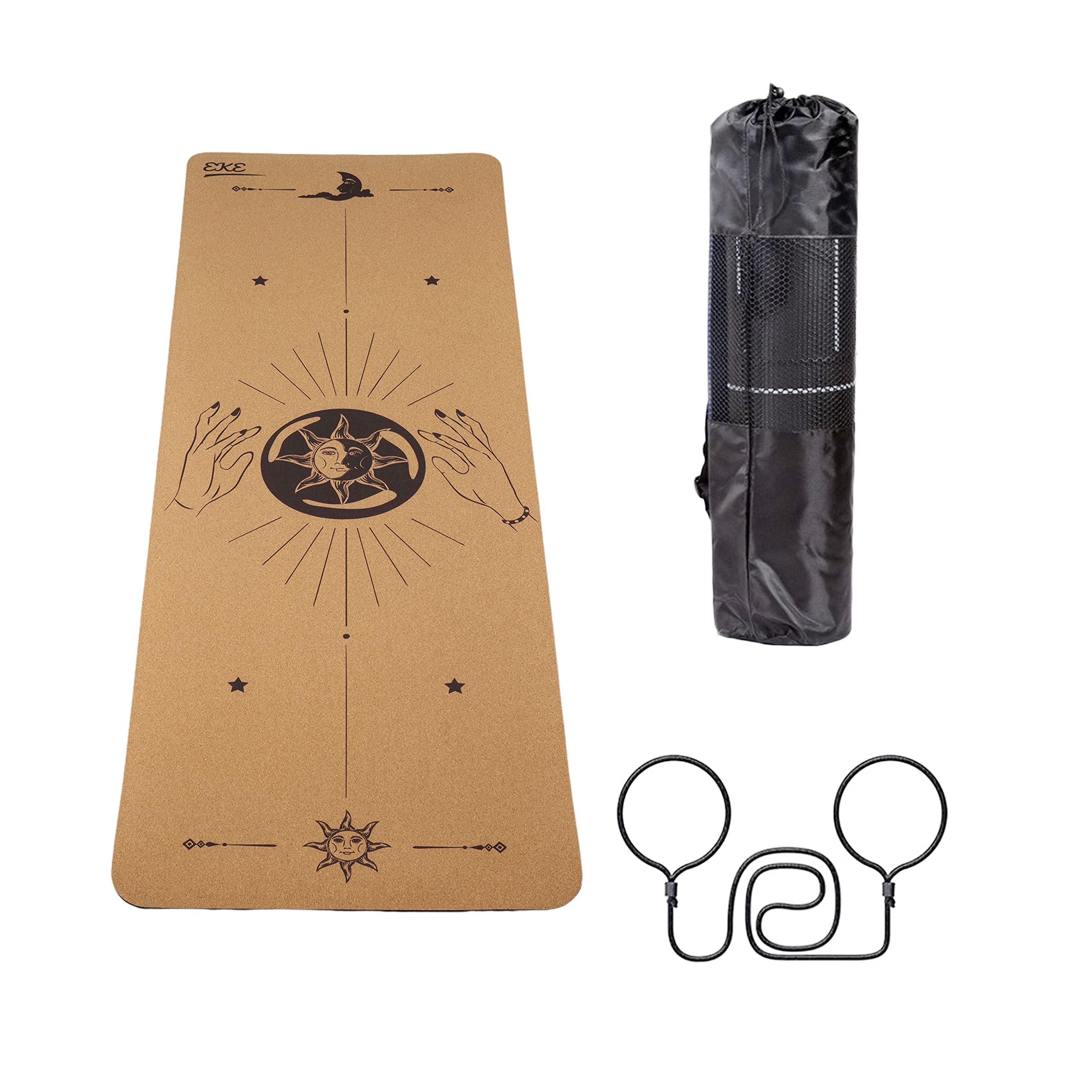
A 7mm TPE cork mat with hidden alignment lines and a wider 25.6-inch surface offers a roomier platform for yoga and floor work at a mid-range price. A mat like this is a spec-sheet bet, so it suits buyers who are comfortable being the ones to test it.

Pros

  • Hidden alignment lines assist pose setup without cluttering the surface.
  • Wider 25.6-inch surface allows more side-to-side room during floor work.

Cons

  • During regular practice, grip, smell, and long-term durability are an open question.
Our verdict

For buyers who want a wide, alignment-lined cork mat and are ready to form their own opinion, this fits.

Check Latest Price

How to Choose

Base Material

Natural rubber bases are dense and heavy, which keeps the mat planted during standing poses and lunges. TPE is a lighter foam, so it's easier to carry but tends to compress and slide on hard floors. If you practice at home, a rubber base gives stability; if you commute, TPE saves your shoulder.

The base also affects how the cork wears. A firm natural-rubber layer keeps the cork from flexing too much, so the top surface is less likely to crack at the edges. Soft TPE under a thin cork layer is the combination most likely to peel under repeated sweaty use.

Thickness

Thickness controls how much floor you feel through knees and wrists. A 6mm mat cushions joints well, but the extra foam can make balance poses less stable. A 4-5mm mat is the usual middle ground for vinyasa and hatha.

Look at total thickness as a layering story. A mat with a thick cork layer over a thin base feels different from a mat with a thin cork layer over a thick foam base. If you need more joint support, choose a thicker total mat; if you need ground feel for balance, keep it closer to 4-5mm.

Dimensions

Most mats are 72 x 24 inches, which suits average-height practitioners. Longer and wider options, such as 80 x 26 inches, matter if you are over 6 feet or spread wide in warrior poses. Extra surface adds weight, so consider whether you will carry it or keep it home.

A wider mat also helps with side-to-side movements like lizard pose or wide-legged straddles. Tall users often find that a standard mat leaves their feet hanging off the edge in savasana. The trade-off is that every extra inch makes the rolled mat bulkier and heavier.

Weight

Weight is the spec that becomes obvious the first time you carry the mat to a class. Rubber mats run 5-8 pounds and stay put; TPE mats run around 2 pounds and move more easily. If you walk to a studio, a light mat keeps the trip pleasant.

On the floor, lightweight mats can slide if the surface is polished or the mat is slightly curled. Heavier mats hold their position with less effort, which is why they dominate home practice. Decide whether portability matters more than zero adjustment during practice.

Alignment Lines

Alignment lines are visual guides printed or etched into the cork. They help newer practitioners check hand and foot placement without breaking focus. Look for lines with enough contrast to see in dim studio light.

Lines do not improve grip or cushioning, so they should be a bonus rather than the main reason to buy. Some mats use subtle lines that disappear once the cork darkens with use. If you rely on them, check where they sit relative to your body proportions before buying.

Frequently Asked Questions