8 Best Slam Ball of 2026: Match Dead Weight to Your Workout

Find a slam ball that stays dead-weight when you need it and survives repeated slams, without confusing it for a wall ball or medicine ball.

Slam ball listings promise no bounce and a non-slip grip, but the real trade-off sits inside the ball. Sand-filled shells deliver the dead weight you want for floor slams, yet that same fill shifts during lifts and overhead holds. Knowing this changes how you choose.

Slam balls also get confused with medicine balls and wall balls. Buyers who expect a responsive bounce often end up frustrated, while those who want a dead-weight conditioning tool get exactly that. Match the ball to the movement, not the listing tag.

The real decision rests on use-case boundaries: fill stability, shell durability, grip texture, and available weight range. A heavier ball is not automatically better for core work, and a rougher grip is not automatically better for bare hands. The right slam ball matches its dead-weight behavior and shell toughness to the way you train.

1

Best Overall

Yes4All Slam Ball

95 /100
Peggy's Score Outstanding

Key details

Diameter
9.75 in (10 lb)
Fill & Bounce
Sand-filled, no bounce
Shell & Seams
PVC shell
Check Details on Amazon

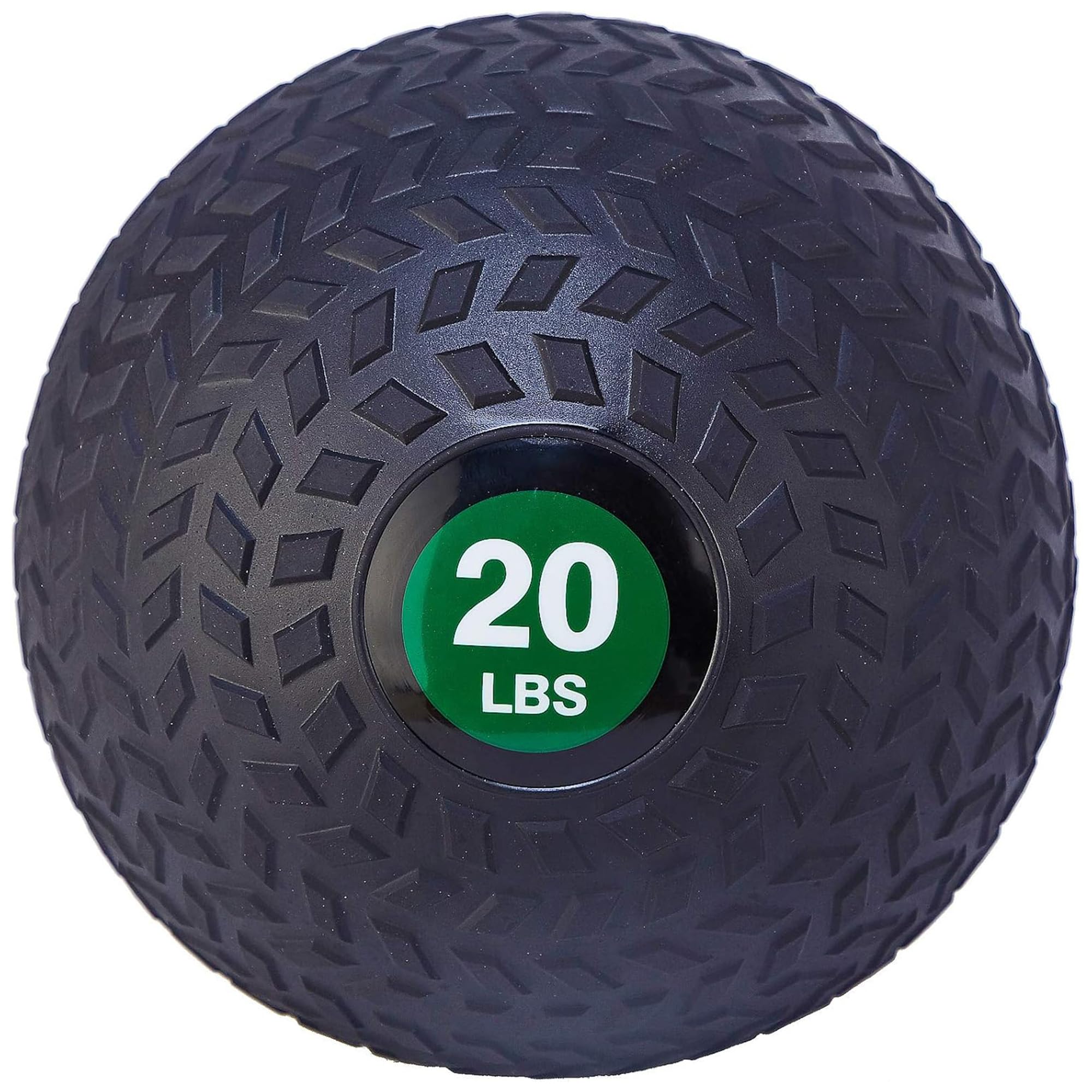
The PVC shell absorbs repeated slams without bouncing, and the textured dodgeball-style grip stays secure when hands get sweaty. That combination is what separates a slam ball from a medicine ball: it lands dead, stays put, and doesn't roll away between sets.

The 10 lb model measures 9.75 inches across, and the line extends to 40 lb, so you can add resistance while keeping the same hand feel. The sand fill gives the ball a no-bounce response that suits overhead slams, chest throws, and ground-based core moves. Weight availability and no-bounce behavior are the two features most buyers in this category care about.

This is for CrossFit and HIIT athletes who want a no-bounce dead-weight ball with multiple weight increments, plus home gym owners who expect to build a set over time. The practical tradeoffs are sand fill that can shift between units and a shell texture that can be rough on bare hands; gloves handle the second.

๐Ÿ’ก Wear gloves for high-rep sets and roll the ball a few times before first use to settle the fill.

Pros

  • PVC shell absorbs repeated slams without bouncing.
  • Textured grip stays secure with sweaty hands.
  • Works for full-body and conditioning workouts.

Cons

  • The textured shell can be rough on bare hands during high-rep sets.
  • Sand fill can shift during lifts, making weight distribution feel uneven in some units.
Our verdict

No-bounce behavior and a broad weight range make this a low-risk first slam ball.
Check Latest Price
2

Best Value All-Rounder

Fitvids Slam Ball

93 /100
Peggy's Score Outstanding

Key details

Diameter
9 in (20 lb)
Fill & Bounce
Sand-filled, no bounce
Shell & Seams
โ€”
Check Details on Amazon

The Fitvids Slam Ball pairs a textured tread that stays grippy when sweaty with enough dead-weight feel for slams, wall-ball throws, and core circuits. It is the budget multi-use option in this set rather than a slam-only specialist; strict slam-only buyers will find the top pick a safer reference point.

This suits home gym generalists, budget-conscious CrossFitters, and instructors who want one ball for multiple movements. The ridged tread can irritate bare palms; gloves solve it. Strict slam-only buyers who want a dedicated no-bounce tool should consider the top pick instead.

Pros

  • Textured tread keeps its grip during sweaty sessions.
  • Covers slams, wall-ball throws, and core circuits in one budget-friendly piece.
  • Solid construction at a budget price.

Cons

  • No 30 lb+ option for heavy-load conditioning.
Our verdict

For home gyms that want one budget ball covering slams, wall-ball, and core work, this is the fit.

Check Latest Price
3

Best Mid-Weight Conditioning Ball

ProsourceFit Slam Ball

92 /100
Peggy's Score Outstanding

Key details

Diameter
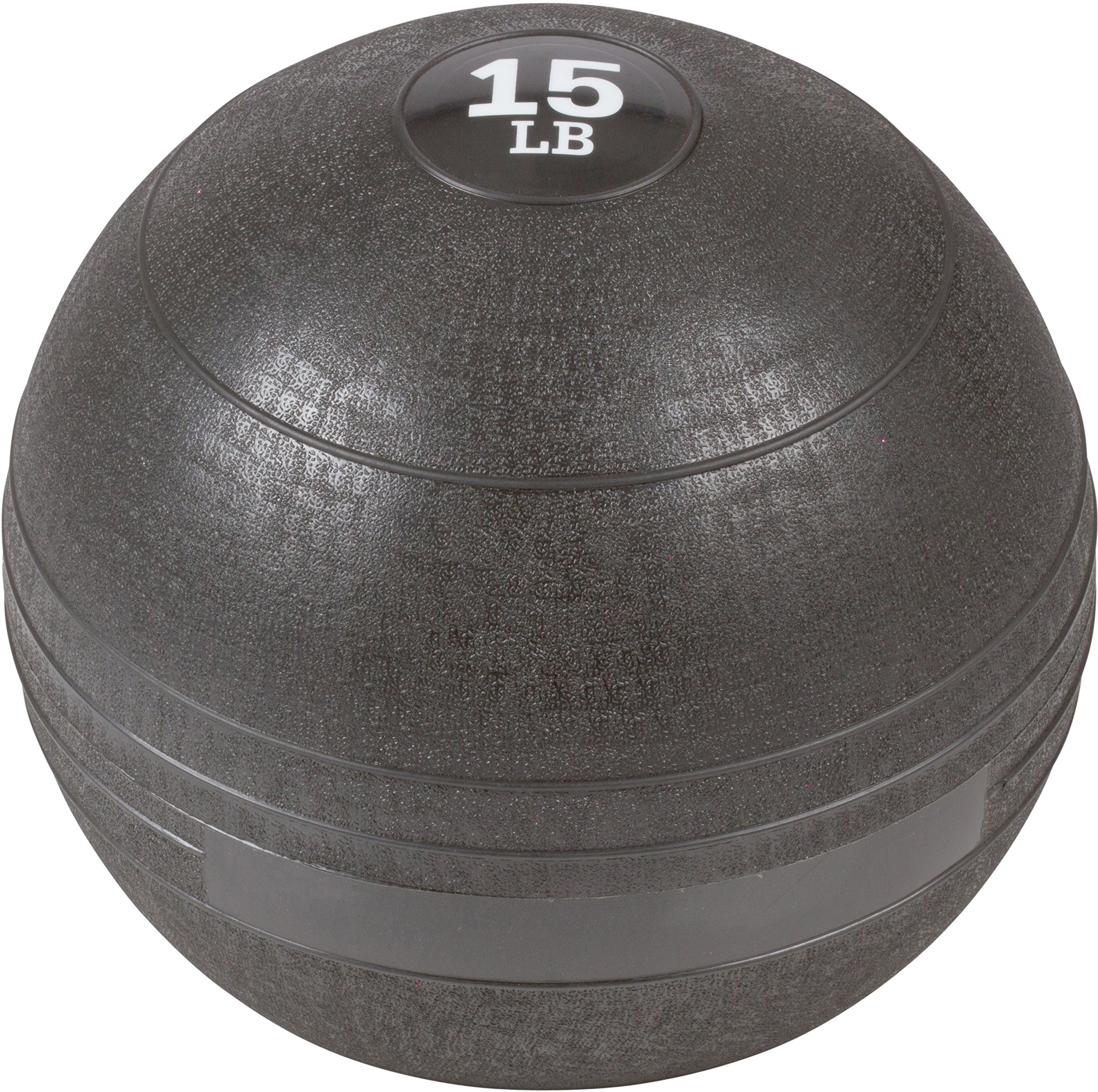
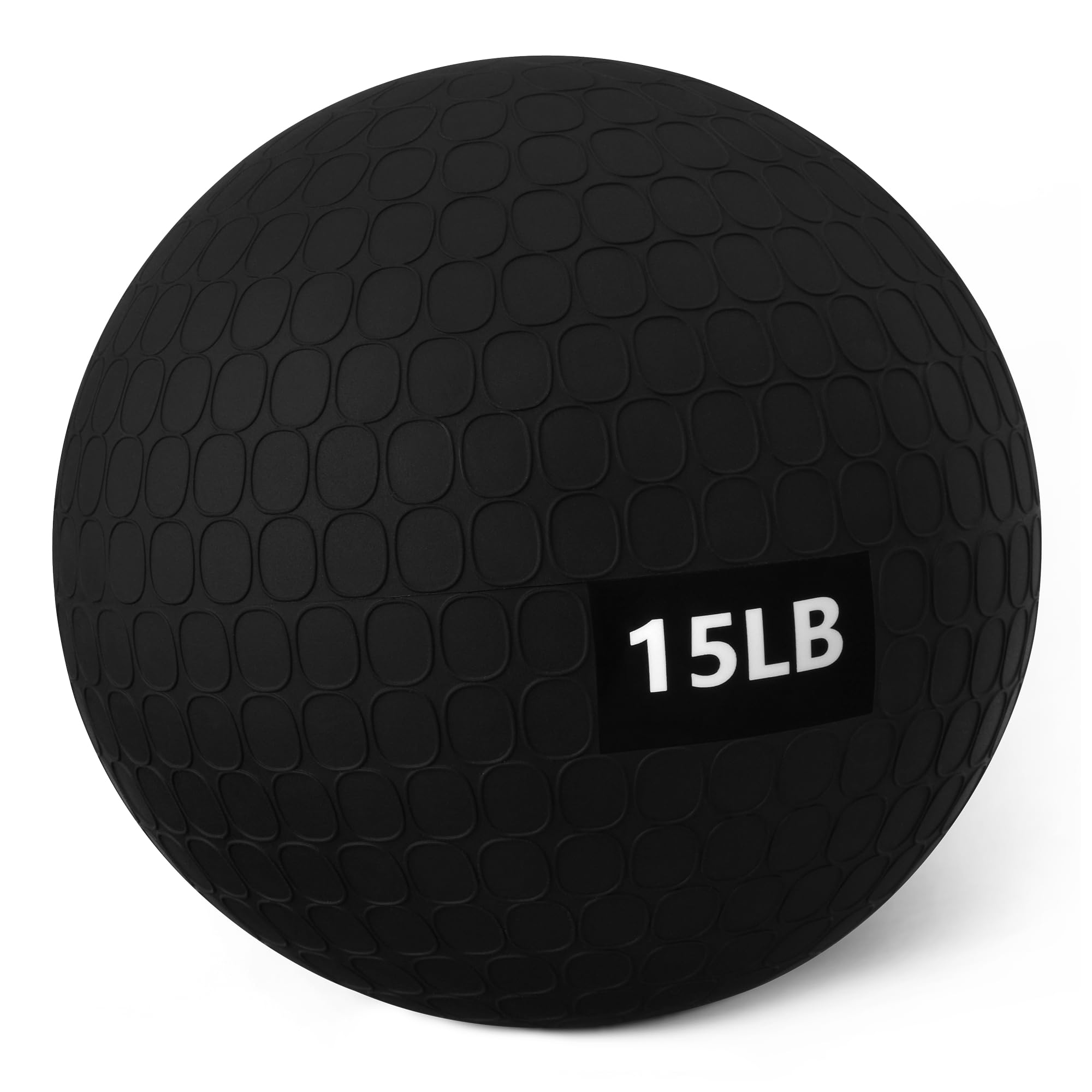
9 in (15 lb)
Fill & Bounce
Sand-filled, no bounce
Shell & Seams
PVC shell
Check Details on Amazon

The ProsourceFit Slam Ball is a dedicated dead-weight conditioning ball that hits its stated 15 lb and stays put on impact. The sand-filled PVC shell eliminates bounce, so solo home gym sessions move without chasing rebounds. The 15 lb model sits in the middle of the 5-50 lb range, giving it room to progress from lighter conditioning work. Unlike the multi-use ball in this lineup, this one stays in slam-specific territory, and the limited lifetime warranty backs the build.

This ball suits conditioning athletes in the 10-20 lb range who do slams, throws, and core work at home. Grip feel varies by hand condition, and it is not a larger, softer catch ball.

๐Ÿ’ก Chalk or dry hands before slams to get maximum tread grip.

Pros

  • Accurate 15 lb dead weight with no-bounce behavior suits solo slam workouts.
  • Sturdy PVC shell holds up to repeat home-gym use.
  • Good value for money at a mid-range price.

Cons

  • The textured tread can feel slick on some hands despite its aggressive look.
Our verdict

For solo conditioning work in the 10-20 lb range, this is the warranty-first mid-range slam ball.

Check Latest Price
4

Budget Slam Ball

Trademark Slam Ball

92 /100
Peggy's Score Outstanding

Key details

Diameter
9 in (15 lb)
Fill & Bounce
Sand-filled, no bounce
Shell & Seams
PVC shell
Check Details on Amazon

The lowest-priced 15 lb no-bounce ball in this comparison keeps the build simple: a solid PVC shell that handles regular floor slams without feeling fragile. It skips the textured multi-purpose surface on the all-around budget option, which keeps the cost low enough for instructors to stock several stations.

This is the entry-level pick for first-time slam-ball buyers, garage conditioning, and bootcamp instructors buying multiples. It stops at 15 lb, so athletes chasing heavy dead weight should move up the line. Plug or seam leaks are possible after sustained hard use, so treat this as a budget tool rather than a competition mainstay.

๐Ÿ’ก A quick roll on the floor before lifting settles the fill enough for overhead throws.

Pros

  • Entry-level price leaves room in the budget for a second ball or other gear.
  • PVC shell holds up for regular floor slams in home and class settings.
  • Small and light enough for circuit stations and garage storage.

Cons

  • Sand shifts inside during overhead throws, which can throw off balance mid-motion.
Our verdict

For a first slam ball, this delivers the no-bounce basics at a price that makes class packs realistic; heavier athletes should pass.

Check Latest Price
5

Best Heavy Slam Ball

JFIT Slam Ball

90 /100
Peggy's Score Outstanding

Key details

Diameter
9 in (30 lb)
Fill & Bounce
Iron-sand, no bounce
Shell & Seams
Composite exterior
Check Details on Amazon

The JFIT is a true 30 lb dead-weight ball, with a composite exterior and iron-sand interior that gives every slam a heavy, no-bounce finish. It is built for advanced strength and power conditioning rather than general-purpose gym work, and it handles these drills with a solid, planted feel.

This is for advanced athletes and CrossFit boxes that want a fixed 30 lb load for slamming, throwing, and high-intensity conditioning. Beginners who do not need that weight yet, and budget-focused shoppers, will find better options elsewhere. The composite shell can crack and leak sand after months of hard use, so it is best used on mats or padded surfaces.

Pros

  • True 30 lb dead weight delivers a heavy, no-bounce impact on every slam.
  • Solid composite and iron-sand construction handles demanding workouts.
  • Good value for the amount of mass you get.

Cons

  • Sand can shift during dynamic throws, and the surface may feel slippery to bare hands.
Our verdict

For advanced athletes who need a fixed 30 lb dead load, the JFIT delivers the heavy, no-bounce feel that lighter conditioning balls can't.

Check Latest Price
6

Core-Focused Beginners

STRPRETTY Slam Ball

91 /100
Peggy's Score Outstanding

Key details

Diameter
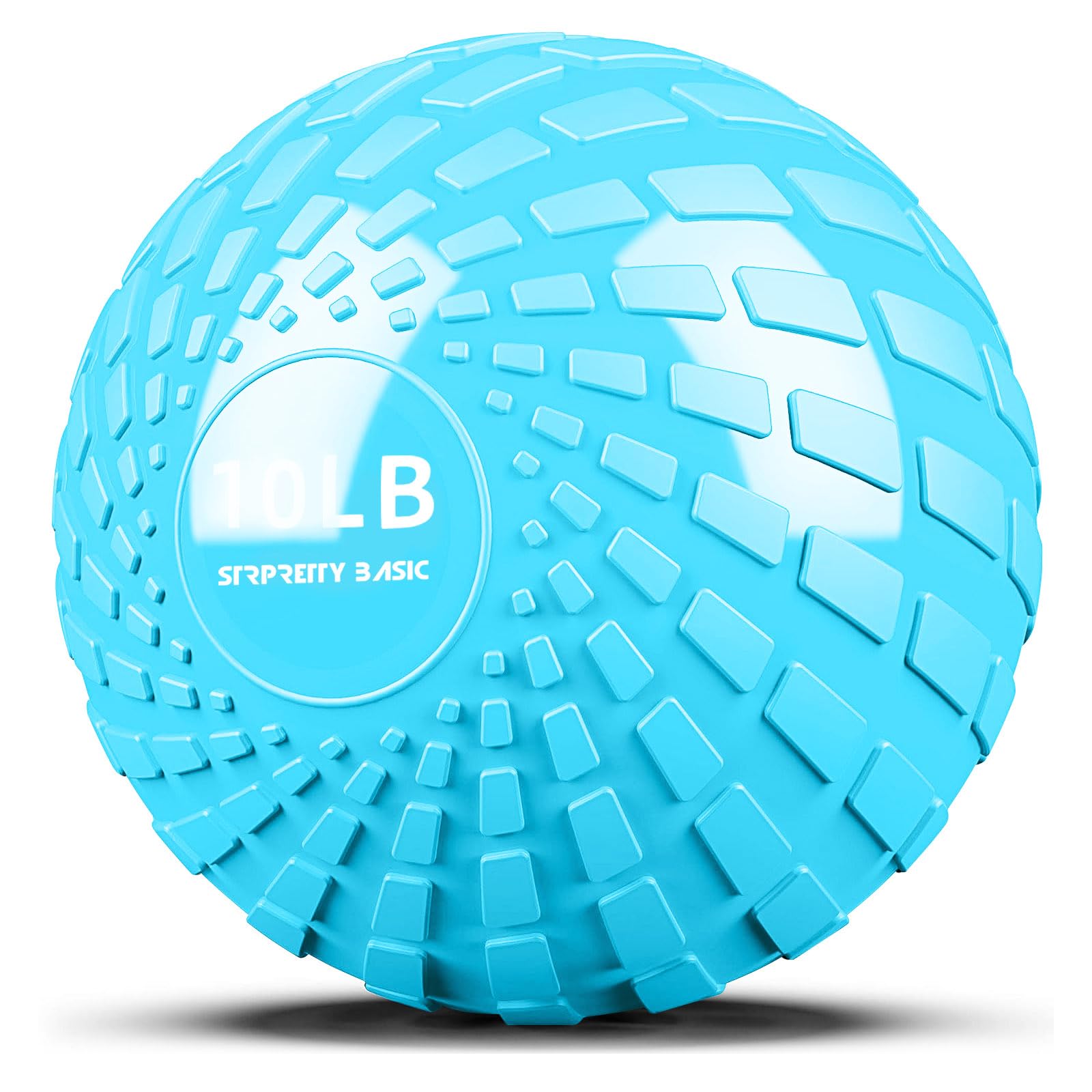
7.8 in (10 lb)
Fill & Bounce
Sand-filled, no bounce
Shell & Seams
PVC shell
Check Details on Amazon

Grippy 10 lb textured PVC delivers solid no-bounce core work at an entry-level price. Seam durability can vary on hard slams, so this is a controlled-work ball rather than a rep-after-rep impact tool. That tradeoff keeps it below the top tier, but for a core-focused beginner it is a low-stakes start.

Pros

  • Grippy textured surface supports secure holds during core moves.
  • Sand-filled 10 lb ball feels true to weight for beginner ab work.

Cons

  • Textured shell may feel rough on bare fingers during high-rep core sets.
Our verdict

Fits core-focused beginners and lighter lifters who want a grippy 10 lb ball for strength and ab work at a budget price.

Check Latest Price
7

Budget Home Workouts

Amazon Basics Slam Ball

90 /100
Peggy's Score Outstanding

Key details

Diameter
7.87 in (15 lb)
Fill & Bounce
Sand-filled, no bounce
Shell & Seams
PVC shell
Check Details on Amazon

Amazon Basics delivers a budget-friendly 15 lb slam ball with a compact 7.87-inch diameter that suits tighter home workout areas. Slams stay dead on impact and the soft-rubber shell is comfortable to hold, though the fill shifts and the shell feels softer than solid. That positions it as a budget pick rather than a class leader.

Pros

  • Deadens impact on slams and holds up through conditioning workouts.
  • Soft-rubber feel makes the ball easy to hold during throws and slams.

Cons

  • Compact 7.87-inch diameter is smaller than typical 15 lb balls, so full-size throwers may find it unexpectedly small.
Our verdict

For budget-first buyers who need a no-bounce ball for basic slams, this pick gets the job done.

Check Latest Price
8

Casual Exercisers

GOOGIC Slam Ball

90 /100
Peggy's Score Outstanding

Key details

Diameter
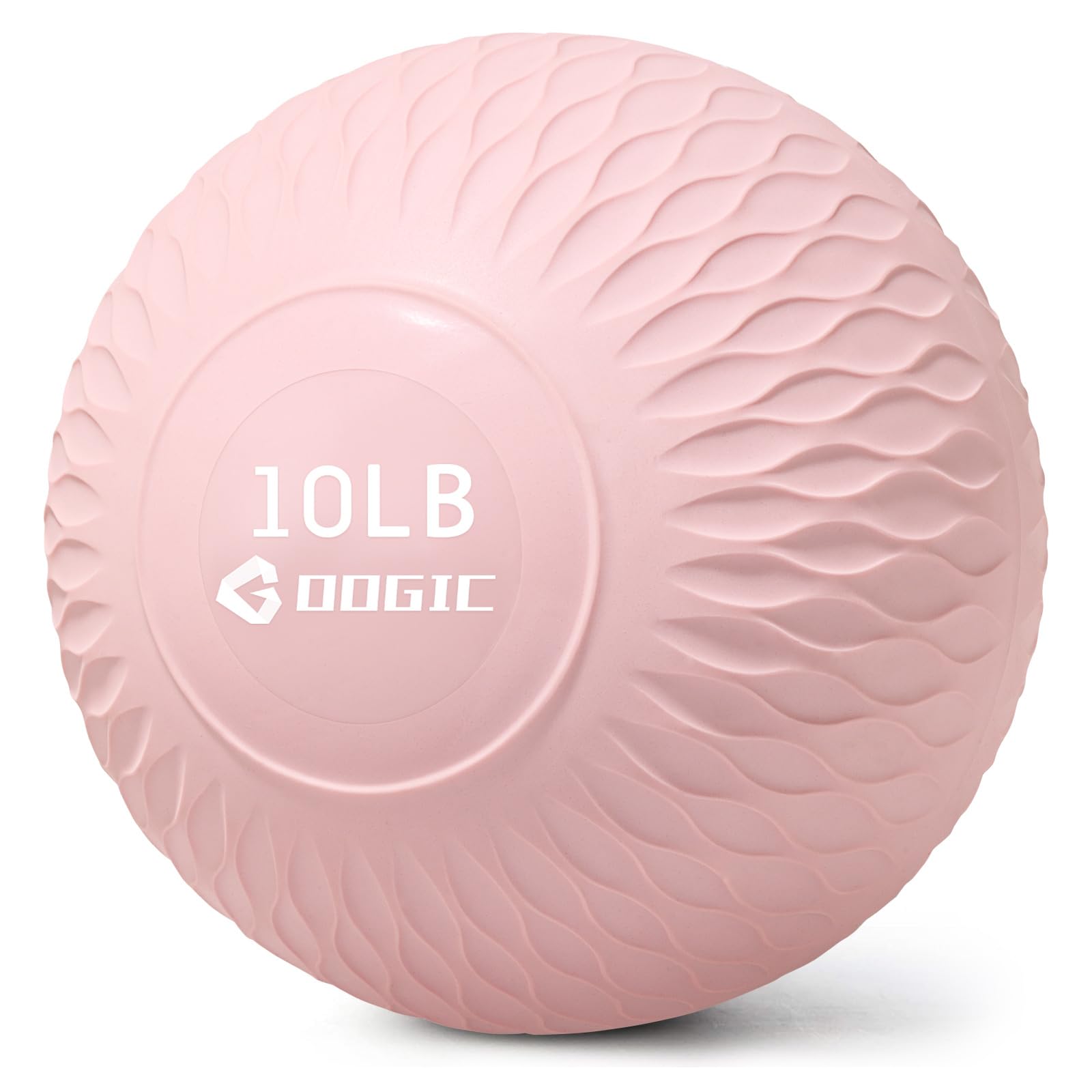
7.8 in (10 lb)
Fill & Bounce
Sand-filled, no bounce
Shell & Seams
PVC shell
Check Details on Amazon

Lightweight 10 lb ball with strong grip and five color options โ€” a friendly entry point for casual home conditioning. The PVC shell holds up indoors, and the size suits smaller hands. The sand fill shifts during slams and throws, which can affect control on dynamic moves and keeps this in a supporting role for light conditioning.

Pros

  • Strong grip and compact size keep the ball secure in smaller hands.
  • The 10 lb weight suits beginners building core and conditioning basics.

Cons

  • The 10 lb load cap keeps it in beginner-light territory, so heavy slamming is outside its range.
Our verdict

A good match for small-handed users who want a colorful, easy-grip ball for low-intensity home workouts.

Check Latest Price

How to Choose

Dead-Weight Fill and No-Bounce Design

Slam balls use sand or an iron-sand blend to hit the floor without bouncing. That fill shifts when you lift or catch the ball, so some movement is normal. Excessive shifting makes a 15 lb ball feel unbalanced.

If you need zero fill movement for overhead holds, pick a solid rubber medicine ball instead. A sand-filled slam ball is dead weight by design.

Shell and Seam Durability

PVC shells absorb impact and resist scuffs, but the seam or plug is the weak point. A ball that splits under hard slams usually has a shell too thin for the weight.

For regular 20 lb+ slams, choose a thicker PVC or composite exterior. For light core work, a standard PVC ball can last for years.

Grip Texture

Textured grips help hold a sweaty ball but can rub bare palms raw. Smooth shells are easier on hands but slippery when wet. Train bare-handed? Favor a moderate texture or keep gloves nearby.

For HIIT and CrossFit sessions, an aggressive tread wins because grip goes first. Grip is a comfort factor, not a durability factor.

Weight Range and Options

Available ranges vary widely: some balls top out at 10 lb, while the broadest line spans 5-50 lb. A ball with several sizes in one line makes adding weight easier.

Beginners should start around 8-15 lb and progress once slam form feels smooth. Heavy dead weight is only useful if you can control it.

Ball Diameter

Weight does not determine size. A 15 lb ball can measure anywhere from 7.87 to 9 inches depending on the brand, so check the listed diameter before buying.

Wall-ball throws and overhead passes are easier with a 9-inch ball. Compact 7.8-inch balls suit smaller hands and tight storage.

Frequently Asked Questions